




The recent surge in artificial intelligence (AI) is reviving the tech industry, but gender bias is preventing women from joining the sector. Sorina Mihaila travelled to Reykjavík to find out what needs to change.
When, as a 24-year-old lawyer, Áslaug Arna Sigurbjörnsdóttir ran as the secretary of the Independence Party in Iceland she had one goal: to make an impact.
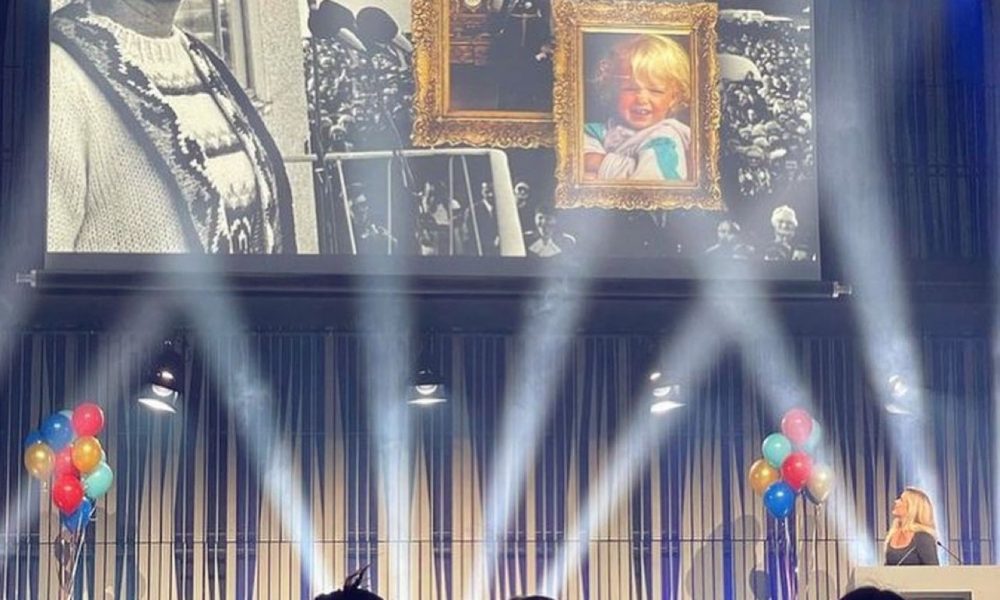
Eight years later, in a packed conference hall in her native Reykjavík, Sigurbjörnsdóttir, now Iceland’s Minister of Higher Education, Science and Innovation, maintained she has the same mission.
“I was lucky to be born in a world where a female was president of Iceland,” she told a crowd of 200+ delegates at the Nordic Women in Tech Awards, referring to Iceland’s former president, Vigdís Finnbogadóttir, the first elected female head of state in the world.

“Icelandic women have changed the world and I believe we can do it again.”
In the light of October’s “kvennafrí”, the country’s first full-day women’s strike since 1975 when women stopped work in protest at gender inequality, Sigurbjörnsdóttir echoed many Icelandic women’s view when she said equality is still far from being achieved.
“Iceland has been ranked the best country in the world for gender equality by the World Economic Forum for 14 years in a row. But we need to do more,” she explained.
Touching on the role models that helped her become the person that she is today, Sigurbjörnsdóttir told the audience that she believes in innovation and she believes progress in innovation means recognising women for their contributions.
It was truly an empowering atmosphere – a beautiful way of celebrating women in the world’s most gender-equal country.
As I’ve come to realise during my time in Iceland, Icelanders are receptive to innovation and therefore adoption of new technology in this small island nation happens quickly. Focusing on women in tech feels, in this context, not only necessary but essential.
One organisation that caught my eye in this sense was WomenTechIceland, the non-profit behind this year’s Nordic Women in Tech Awards.
Started as a Facebook group, WomenTechIceland was officially registered as a non-profit organisation in 2021 by founders Paula Gould and Valenttina Griffin and dedicated its work towards encouraging equality in the tech industry.
Since 2017, the organisation has been working with visiting businesses, dignitaries, personas and influential voices in tech to host special events, panel discussions and online events to connect Iceland’s tech ecosystem with the global tech community.

Sigurbjörnsdóttir echoed many Icelandic women’s view when she said equality is still far from being achieved
Reykjavík-based venture capital firm Crowberry Capital is too on a mission to support women building businesses around technology advances.
As the only major Nordic venture fund headed by an all-female team, the firm has achieved recognition for focusing on backing founders who have traditionally not had access to capital.
In 2021 the company, led by founders Hekla Arnardottir, Helga Valfells and Jenny Ruth Hrafnsdottir, launched a US$90m fund to invest in technology start-ups in the Nordics, with a focus on supporting businesses in emerging tech sectors, with a particular emphasis on encouraging inclusivity.
Their reason? “To demonstrate that the region can also show the way in terms of inventive venture support.”
Whether it’s IT, sustainability, femtech or digital health, the tech industry unarguably needs more gender diversity to continue thriving.
For starters, gender diversity encourages divergent ways of thinking, which can improve quality in the ideas output. This, in turn, drives innovation and growth.
Countries like Iceland have shown us that improving gender equality is a great place to start, but there’s still some way to go.
Women must be able to see that they can have an exciting career in technology and succeed. That means fostering an inclusive work culture, advocating for better representation and introducing more family-friendly policies.
As minister Sigurbjörnsdóttir rightly put it on stage: “If we want to make an impact, we need to engage, participate, campaign and put words into action.”

Newsletter
Sign up for free weekly updates
The latest femtech news, research and investment, straight to your inbox.




