




Wellness
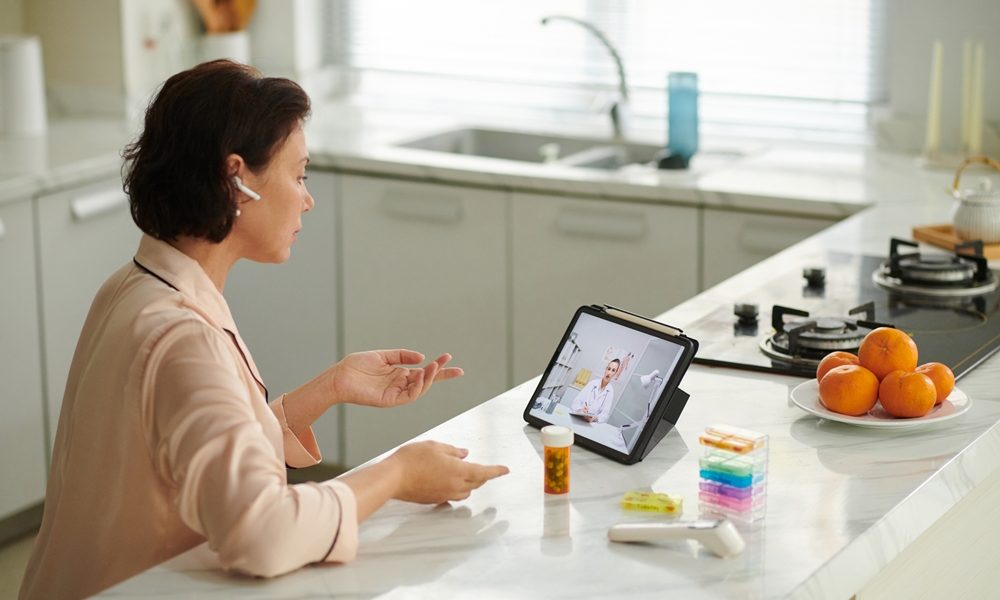
Women's telehealth company Wisp has acquired TBD Health, a sexual health platform, in its first acquisition and expansion beyond direct-to-consumer care. The deal adds TBD Health's diagnostics infrastructure and hospital partnerships to Wisp's platform, which the company says serves 1.8 million patients across the US. Wisp, which describes itself as the largest women's telehealth company [...]

Menopause is linked to grey matter loss in key brain regions, along with increased anxiety, depression and sleep problems, new research suggests. The study also found that hormone replacement therapy (HRT) does not appear to mitigate these effects, though it can slow the decline in reaction times. Grey matter is brain tissue that [...]

A woman's insulin levels in midlife are linked to when menopausal hot flushes begin and how long they last, new research suggests. The study found that higher insulin levels at age 47 predicted younger onsets of hot flushes and night sweats, as well as longer durations of these symptoms. Researchers drew on data from a [...]

Imagine being worried about not being able to do the sport you love. Not because of an injury or time commitment, but because of something that was out of your control. How would you feel? Pretty bad. For thousands of young girls in grassroots sports, this isn't just a hypothetical scenario. It’s their reality. The [...]

A new NHS gene database of 120 cancer-linked genes will help patients in England and their families assess their cancer risk, the health service says. People will be able to have their genetic information compared with the register, which NHS England has described as a world first. Those identified as having an inherited risk will [...]

Postmenopausal women on hormone replacement therapy lost 35 per cent more weight while taking tirzepatide, a new study suggests. The research reviewed data from 120 participants with overweight or obesity who received tirzepatide, marketed in the UK at Mounjaro, for weight management for 12 or more months. Those using the drug alongside hormone replacement therapy [...]

Almost a third of women are considering leaving their jobs due to menopause symptoms, with 7 per cent already having quit, new research shows. A survey of 2,000 UK working women aged 40-65 found just under half have changed how they work to cope, including reducing hours, cutting responsibilities, or turning down promotions and training. [...]

Addressing women's health could unlock US$100bn by 2030 in the US alone, a new report has found. The World Economic Forum has published its Women's Health Investment Outlook to highlight undercapitalised opportunities in women's health. A Boston Consulting Group analysis cited in the report estimates that treating four major conditions that disproportionately affect women could [...]

Each January, millions engage in intense workout routines and rigid fitness challenges in a bid to enhance personal fitness for the year ahead. But women-led period and cycle tracker Clue warns that much mainstream fitness advice is based on a flawed assumption: that bodies perform the same way every day. For people with menstrual cycles, [...]

Repeated exposure to bodily waste appears to lower disgust in parents, with effects that persist beyond infancy, a study of 99 parents and 50 non-parents suggests. The study used parent-specific questions and child-related stimuli, including images of soiled nappies, and tracked reactions such as looking away. Non-parents strongly avoided images of bodily waste. [...]
Newsletter
Sign up for free weekly updates
The latest femtech news, research and investment, straight to your inbox.




