




Research

Daily self-guided hypnosis cut hot flushes by over 50 per cent in postmenopausal women, a new clinical trial has found. The multicentre randomised clinical trial tested a six-week, self-administered hypnosis programme against a sham control using white noise. It enrolled 250 postmenopausal women with frequent hot flushes — sudden heat surges that can disrupt sleep [...]

Women with intellectual disabilities could receive added monitoring for breast cancer with the development of a smart textiles bra by researchers at Nottingham Trent University (NTU) and the University of Glasgow (UofG). Funded by Cancer Research UK, a team of scientists and designers are developing an electronic textile which would fit inside a bra and [...]
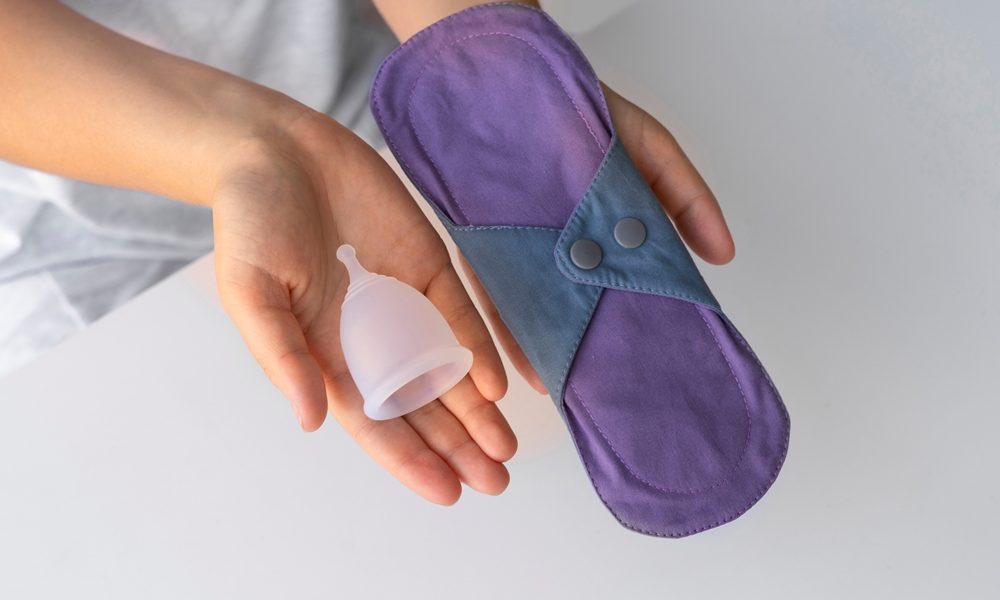
Despite Scotland’s free period products law, research finds reusable period products remain little used, with only 3 per cent in Scotland relying on reusables. Dominique Haig, a master's student at Queen Margaret University (QMU), has investigated why take-up of reusable menstrual products stays low, despite the Period Products (Free Provision) (Scotland) Act 2021 encouraging their [...]

Nearly half of women under 40 with advanced breast cancer have children under 18, with many facing job disruption and financial strain, new research has found. A global survey has revealed the challenges faced by young women with advanced breast cancer, with 64 per cent reporting employment disruption after diagnosis and 40 per cent incurring [...]
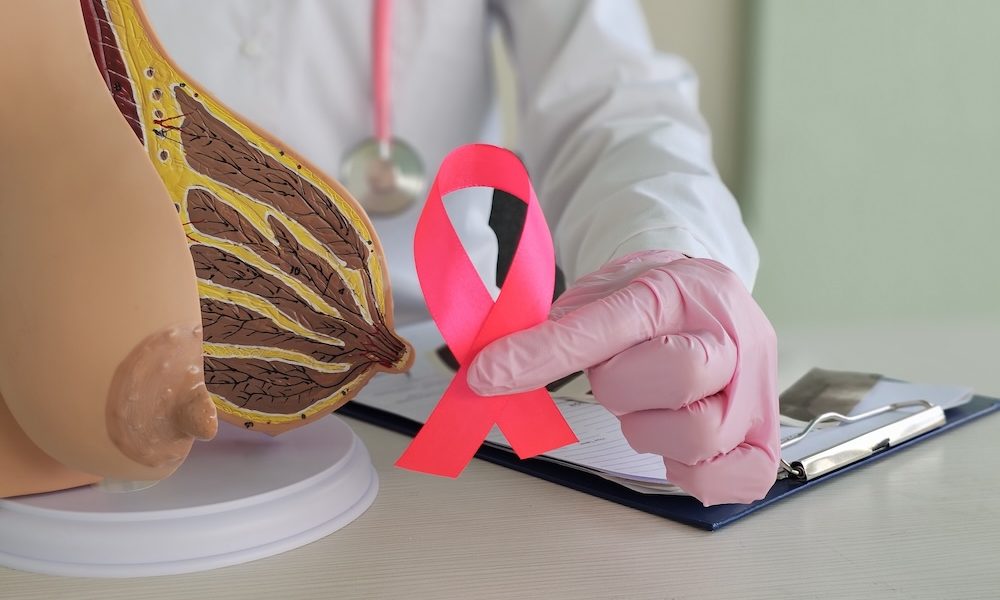
An NHS-approved drug could be repurposed to prevent breast cancer in pre-menopausal women with a strong family history of the disease, researchers have found. Ulipristal acetate, already prescribed on the NHS for other conditions, blocks progesterone – a hormone that can drive breast cancer development – and may help lower risk in women before the [...]

Babies born to black mothers in England and Wales are 81 per cent more likely to die in neonatal units than those born to white mothers, new data has revealed. An analysis of more than 700,000 babies admitted to NHS neonatal units between 2012 and 2022 also found that those from the most deprived areas [...]
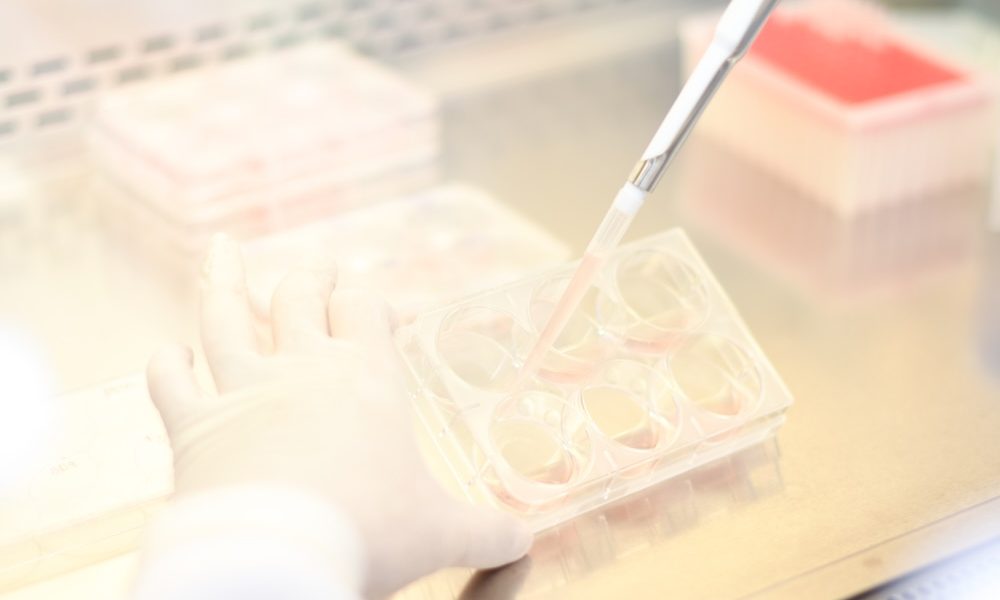
Researchers have reported the first successful pregnancy using an AI-guided sperm recovery method in infertile men with azoospermia, a condition where ejaculate contains little or no sperm. The case involved a man who had spent nearly 20 years trying to start a family, undergoing multiple IVF cycles, manual sperm searches and two surgical procedures. Male [...]

Women are underutilising cardiac rehabilitation programmes despite clear evidence they reduce hospital readmissions and the risk of future heart attacks, new research shows. Even when women do join these exercise, lifestyle and education programmes after heart surgery or major cardiovascular events, they are less likely than men to complete them. An American Heart Association scientific [...]

Some hormonal contraceptives carry a slightly higher breast cancer risk than others, with desogestrel linked to greater increases than alternative products. A study of more than two million Swedish women and teenage girls found that the risks vary depending on the type of hormone used in contraceptive methods. Researchers tracked women aged 13 to 49 [...]

Students are still struggling to access free period products in schools despite a government scheme designed to tackle period poverty, new research shows. A study involving 77 teenagers in schools and colleges across Yorkshire found that while pupils welcomed the scheme, many faced barriers such as products being locked away, stored far from classrooms, or [...]
Newsletter
Sign up for free weekly updates
The latest femtech news, research and investment, straight to your inbox.




