





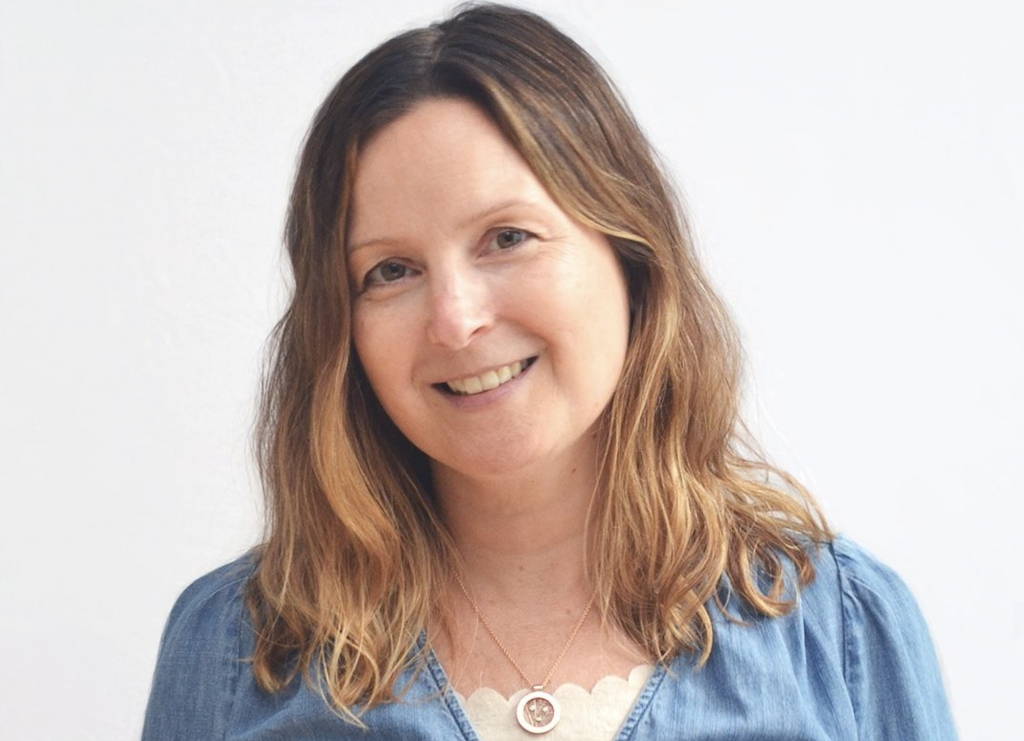
Ahead of International Women’s Day, Dr Cathy Tralau-Stewart, chief scientific officer at life science company ValiRx, discusses her career journey as a woman in STEM, explains the value of a gender-balanced workforce, and offers her advice to women looking to pursue a career in the life sciences.
Cathy Tralau-Stewart was interested in science from a very young age. She fondly recalls receiving a microscope for her seventh birthday, and the encouragement she received from her parents to pursue STEM subjects at school.
“My family didn’t have a background in science, but when I was told I couldn’t take all three sciences at GCSE level because I was a girl (and needed to do domestic science), my father went straight into my school and fought for my right to do them,” she explains.

“From this point onwards, I made sure to fight for every cause I was interested in. My passion for the STEM subjects and of learning was also fostered by great teachers – my chemistry teacher, for example, sticks in my mind as a great source of inspiration to me.”
Her passion for the sciences has remained with her, and supporting the translation of early innovative projects to patients has become her specific area of expertise and interest.
Whilst the percentage of female graduates with core STEM degrees is steadily growing, the split is still just 26 per cent.
This figure is also translated into the female STEM workforce, with women making up 24 percent.
Physical science-related degrees have seen a year-on-year increase in the number of female graduates, showing that efforts to encourage women to study chemistry and physics-based subjects have been successful, but women working in STEM still face barriers.
“In my view, it is still more challenging for girls and women to get into the STEM industries, and to climb the ladder to reach senior leadership roles, due to the unconscious bias that exists which makes key decision makers more likely to recruit in their own image – so people who look and sound like they do,” Stewart says.
“But if businesses are to grow, the value of different voices, experiences, views, and opinions must be realised and leveraged, particularly at board level.
“We still need more women in senior roles, and more role models for the younger generation of women to be guided by.
“Giving young women visibility of relatable role models can only have a positive impact on increasing the number of women in STEM.”
Recent research published in Nature Communications shows that female peer mentors can have a long-lasting positive impact on female STEM students.
In the study, women who were assigned female peer mentors felt more confident and motivated and were more likely to participate in an internship or continue to post-graduate study.
“Mentoring students at all stages of their education is vital, and something I have always been passionate about,” Stewart adds.
“There are so many things people can do within the STEM fields and such a wide variety of career roles available – it’s not just about working in a lab.
“Something I always emphasise when speaking to students is that the ‘job for life’ idea has gone and that they don’t need to decide what their career journey is going to look like early on and stick with it.
“If a particular scientific area interests you, I think it’s important to pursue it if you can. Be determined, and don’t give up.”

Newsletter
Sign up for free weekly updates
The latest femtech news, research and investment, straight to your inbox.




