




Entrepreneur
Mumbai’s Luma Fertility raises US$4m seed round


A Mumbai-based fertility health-tech startup has raised US$4m in seed funding to expand its services across the city and into other parts of India.
Luma Fertility will use the investment to expand its footprint in Mumbai and later scale into other cities over the next two years.
The startup operates a 6,000-square-foot facility housing a laboratory and offering a range of in-house fertility services.

Its offerings include IVF, egg and embryo freezing, fertility assessments and pre-conception consultations.
Luma also provides at-home semen analysis, personalised fertility reports and holistic support such as nutrition guidance, acupuncture, IV drips and one-on-one sessions to support both physical and emotional well-being and improve overall outcomes.
The funding round was led by Peak XV’s Surge, with participation from Ameera Shah of Metropolis Healthcare and Vijay Taparia of B2V Ventures.
Ameera Shah, promoter and executive chairperson of Metropolis Healthcare, said: “Fertility care in India is at an inflection point. Demand is growing rapidly, but the system is deeply fragmented and outdated. Patients are forced to navigate a maze of clinics, labs, and specialists with little coordination or support.”
Founded by Neha K. Motwani, Luma says it is the first IVF clinic in India to launch an integrated app, allowing patients to track their treatment, access reports and stay informed.
Its AI-enabled tool, LumaAI, offers 24/7, jargon-free support on everything from cycle timelines to medication guidance.
The global fertility services market is projected to reach US$53bn by 2030, driven by delayed parenthood, increasing age-related infertility and declining fertility rates.
In India, the total fertility rate has declined from 2.1 to 1.9 births per woman – the lowest on record.
More than 33 million couples in India are estimated to face fertility challenges, with IVF cycles expected to increase from 320,000 in 2024 to 550,000 by 2028.



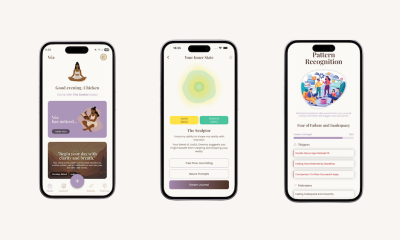










The Women’s Health Innovation Summit (WHIS) has announced that submissions are open for the 2026 Innovation Showcase, giving early and growth-stage start-ups the chance to present their solutions to the most influential audience in women’s health.
Taking place October 13–15 at Encore Boston Harbor in Everett, Massachusetts, WHIS brings together more than 1,000 decision-makers from across the women’s health ecosystem — investors, payers, health systems, pharma leaders, and employers — all under one roof.
Selected companies will pitch live on stage to an audience with the funding, expertise, and connections to accelerate their growth.
Past participants have walked away with investor introductions, commercial partnerships, and clinical collaborations that moved from conversation to contract.
WHIS is where the women’s health ecosystem comes together to get deals done,” said Sarah Rowlands, marketing director.
“The Innovation Showcase puts promising start ups directly in front of the people who can take them to the next level.”
The showcase sits at the heart of a three-day programme spanning digital health, therapeutics, diagnostics, and consumer health.
Previous attendees have included representatives from Mayo Clinic, CVS Health, Eli Lilly, Brigham and Women’s Hospital, Alumni Ventures, Muse Capital, and Maverick Ventures, among hundreds of others.
Applications are open now. Start-ups can submit at
www.whisusa.com/attend/start-ups
About WHIS
Now in its eighth year, the Women’s Health Innovation Summit is the largest global gathering of senior leaders shaping the future of women’s health.
Organised by Kisaco Research, WHIS unites providers, health plans, employers, regulators, pharma, investors, and innovators to increase deal flow, expand reimbursement, improve access, and deliver better health outcomes for women at every stage of life.
WHIS 2026 takes place October 13–15 at Encore Boston Harbor, Everett, MA.
Learn more at www.whisusa.com















 Menopause1 week ago
Perimenopause misinformation ‘putting women at risk’

 Insight4 weeks ago
NIH Grant terminations disproportionately impact minority scientists, research finds

 Hormonal health3 weeks ago
PCOS renamed after decade-long campaign to end ‘cyst’ misconception

 Adolescent health4 weeks ago
WUKA brings Period-Positive Pool Party to London Aquatics Centre to keep girls swimming through puberty

 Hormonal health2 weeks ago
NHS urged to update website following renaming of PCOS

 Menopause4 weeks ago
CBT shows promise for menopause insomnia and hot flashes

 Entrepreneur1 week ago
Women’s Health Innovation Summit opens submissions for 2026 Innovation Showcase
 News1 week ago
Three menopause innovators shortlisted for Femtech World Award