




Menopause can make menstrual cycles longer and less predictable, a large study by the women’s health app Flo has found.
The study, which used a dataset of 19 million women, found that from the age of 45, women experience a dramatic increase in cycle length and variability. Prior to 45, cycles progressively shorten, but as women approach menopause, their cycles become more erratic.
This phenomenon has rarely been documented, primarily due to the frequent exclusion of this age group from menstrual cycle research.
The research, according to Flo, has shown a “holistic picture” of the cycle changes that occur across the reproductive lifespan.
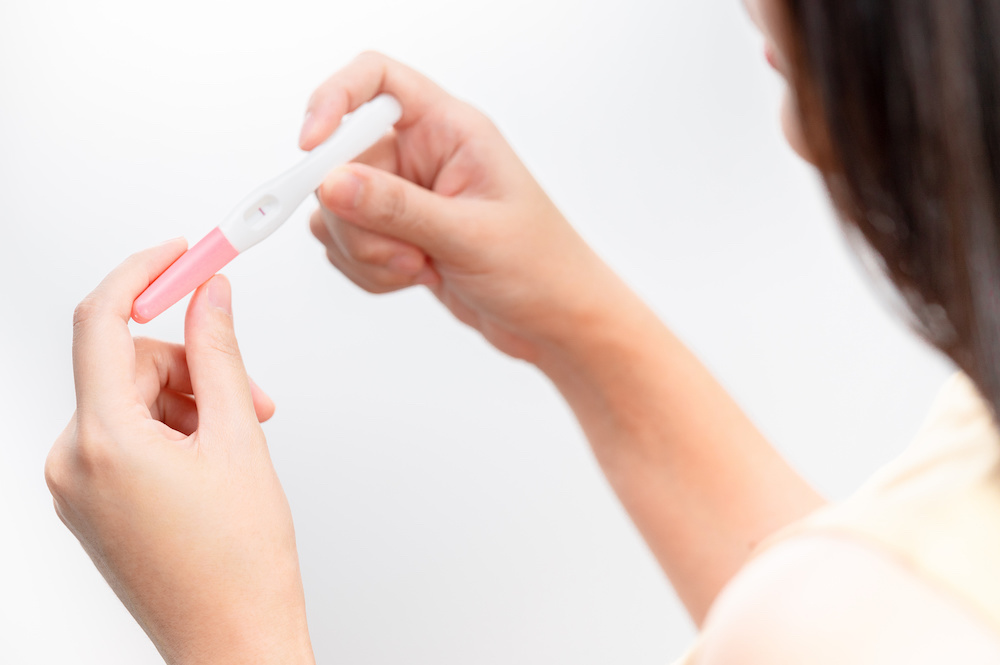
All women will experience menopause in their lifetime, and yet, the symptoms and cycle patterns of this life stage are often under-researched.
The study investigated cycle and period length, irregular cycles, the most frequent menstrual-related symptoms, and how all of these factors change with age. It showed:
-
The proportion of individuals with irregular cycles was highest in participants aged 51-55 (44.7 per cent), and lowest in the 36-40 age group (28.3 per cent).
-
Frequency of logging of cramps and acne was lower in older participants, while logs of headache, backache, stress and insomnia were higher.
-
The length of the menstrual cycle and menstrual cycle related symptoms show clear age associated patterns.
-
With increasing age, cycles get shorter and more variable until age 40-44. Periods are longest in women aged 18-25, with an average duration of 5.20 days. They then gradually get shorter and last, on average, only 5.06 days in women aged 41 to 45. After that, periods become longer again, but they also become much more variable in length than in any other age group, indicating transition toward menopause.
-
Irregular cycles were most common among older women with nearly half of women aged 51-55 and nearly one in three aged 46-50 reporting cycle irregularity. This is in line with expectations as cycles become less regular during perimenopause.
-
Across all ages users experienced similar common symptoms, with cramps being the most common symptom logged. Also in the top three were tender breasts and fatigue, but only up to the age of 45, when headache took the place of fatigue.
-
With age, headache, backache, stress and insomnia were logged more often, as was happy mood, which peaked at age 50. Mood swings were highest among youngest and oldest women.
Dr Lubna Pal, professor of obstetrics and gynaecology at the Yale School of Medicine, said: “The importance of this study lies in the chronicling of menstrual cycle and symptom data for a large and diverse population of women spanning in age from early adulthood into perimenopausal years.
“Findings from this epidemiological approach based on real life data allow a more comprehensive perspective on the prevalence of menstruation related phenomenon, and if and how these may vary across stages of reproductive aging.
“The wide-ranging populations’ perspectives offered in this study can help enhance population awareness of what symptoms, if being experienced by a majority, could even be construed as ‘norm’, may even help lessen the trepidations and stigma attached to aging, and can enhance preparedness of healthcare givers in their approach to enquiry, assessment and efforts at optimising care of women across the lifespan.”
Adam Cunningham, senior research scientist on Flo’s science team and lead study author, added: “It was surprising how little research there is about women’s cycles and symptoms, with most research stopping at 40 or 45 years of age.
“At Flo, we are in a prime position to help address this knowledge gap given that we have the largest dataset when it comes to women’s menstrual cycle patterns and symptoms.
“Advancing our understanding of female reproductive health is a core part of our mission and with this research we are one step closer to closing this knowledge gap.”
To receive the Femtech World newsletter, sign up here.

Newsletter
Sign up for free weekly updates
The latest femtech news, research and investment, straight to your inbox.