




Q&A
The founder on a mission to help women find the perfect-fitting bra

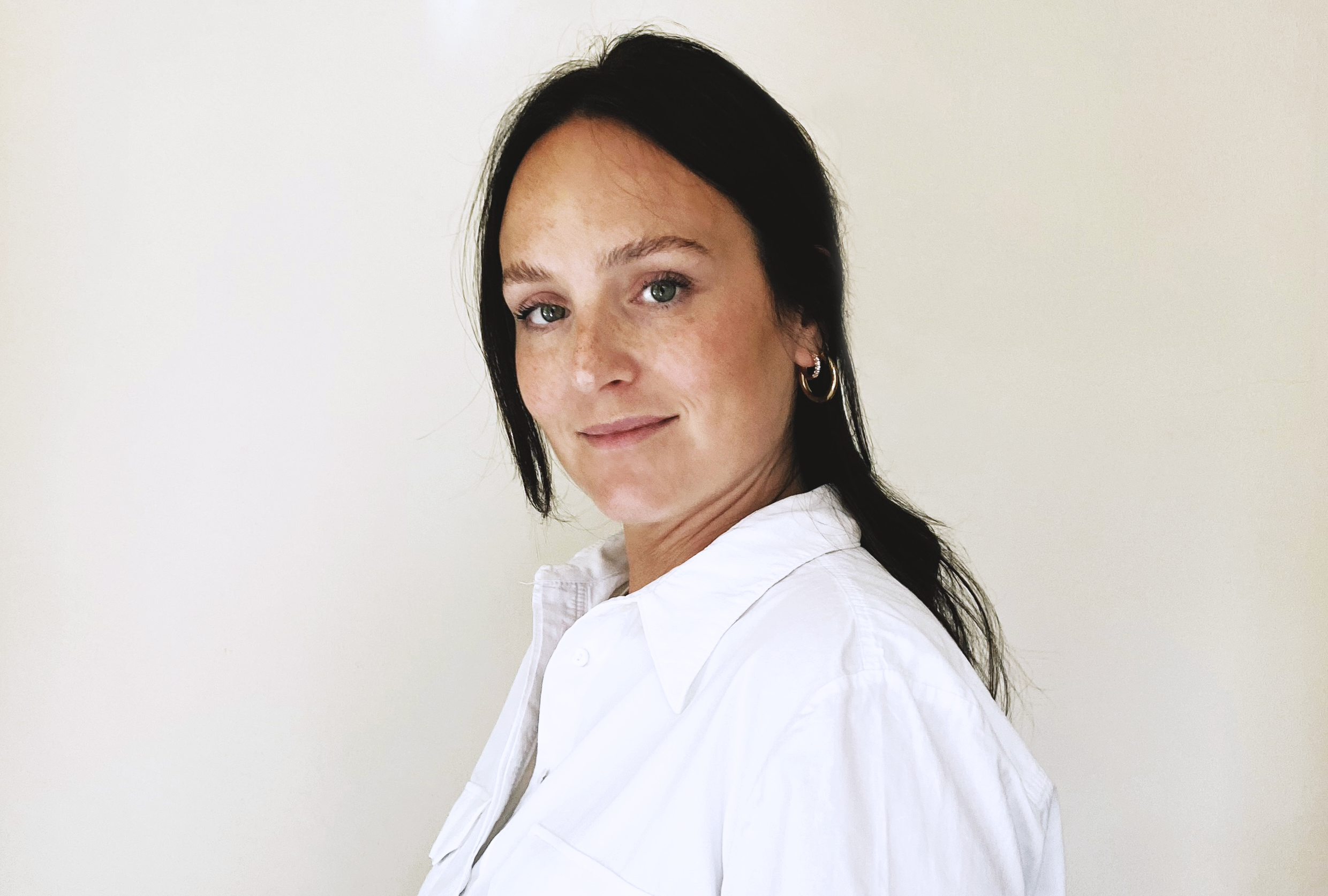
When Valentina Biglia launched FindYourBra she had one mission in mind: to change the way women shop for bras. Driven by her grandmother’s battle with breast cancer, she set about creating a unique platform that would not only redefine women’s shopping experience but assist them with finding the perfect-fitting bra. She tells us all about it below.
Can you tell us a bit more about your background?
I studied product design at the Politecnico of Turin, Italy. The idea of creating things from scratch has always fascinated me. Beauty and harmony are two characteristics that I seek and pursue.
I did a master’s degree in advanced interior design for commercial spaces at the IED in Barcelona. Products, fashion and the user experience in shopping are something I have always been passionate about, just as I am interested in philosophy, psychology and anthropology.
I studied gestalt, a branch of psychology, to better understand the behavioural patterns of human beings.
During my professional experience I had a parenthesis where I trained and worked as a bra fitter in a specialised lingerie shop in Barcelona. This experience changed my life and led me to founding FindYourBra.
What inspired you to create FindYourBra?
There are three main things that inspired me to create FindYourBra: firstly my personal experience with my body. I have never been satisfied with it, in particular with my breasts. I thought they were a “problem” until I found the right bra size.
On the other hand, I saw how finding the right bra size immediately changed the expression on the face of the people I was serving in the fitting rooms of the bra shop. At the same time I understood that the user experience was quite poor that any comment or look could create a trauma for them and that at that moment their self-esteem was at stake.
And, third reason, certainly not because of importance, is because of my grandmother. She has fought breast cancer twice, she has come out the winner again in November 2022.
She has been hiding her breasts every day for the last 30 years, fixing the breast asymmetry with socks stuffed with rice. She and other women like her inspire me every day to create a solution to help them get their lives back as soon as possible.
How would you describe your innovation in a few words?
The easiest, fastest and more intuitive way to buy bras online that suits you in total privacy and autonomy. A selection based on you, your measurements – taken with our patented measurement system – needs and preferences that changes as you changes.
No barriers, No measurements, No conversions, No size charts: just buy what fits to feel supported, comfortable and beautiful.

How did you find establishing your business in this sector?
Women often ask me: where can I buy bras that fit me? The pain point is clear. There are tons of brands of bras, but no one connects supply with demand efficiently. We do.
As a start-up, we are starting out, pushing hard and expect to fill this gap before the end of 2023.
What obstacles have you encountered?
The biggest obstacle when setting up a business like ours is, “what do I look for first, suppliers or users?” – the classic chicken and egg problem.
Where are you with the business now?
We will launch a minimum viable product (MVP) before autumn where the user can already insert her preferences and needs and receive the custom selection of bras suitable for her and her activities.
At the same time, we are launching a crowd-founding to finance the production of the physical measurement system that we have developed together with a team of gynaecologists, breast surgeons and bra fitters so that women can measure themselves in total autonomy and privacy in the comfort of their homes.
What feedback have you received so far?
All the women we have helped so far are more than delighted with their new bras and undies. Several have come back to us to buy new bras and have renewed their entire underwear drawer.
To give you some numbers, based on our experience we have seen that the application of our solution increases user loyalty by 80 per cent with an average bra purchase of 2.4 units per person and the recurrence rate is 60 per cent.
What is your mission with FindYourBra?
To be the platform of reference for all women when it comes to buying bras, underwear and related products, allowing them to easily, quickly and intuitively find the products that best suit them, their lifestyle and their activities in total privacy and autonomy.
Saving time and money, improving their health and wellbeing as well as their entire UX both in terms of measurement and bra shopping experience.
Where do you see the company in five years?
In five years we want to be helping women all over Europe and we envision the “FindYourBra” reference present on the websites of all lingerie brands to facilitate the online purchase of bras.
To find out more, visit findyourbra.com.




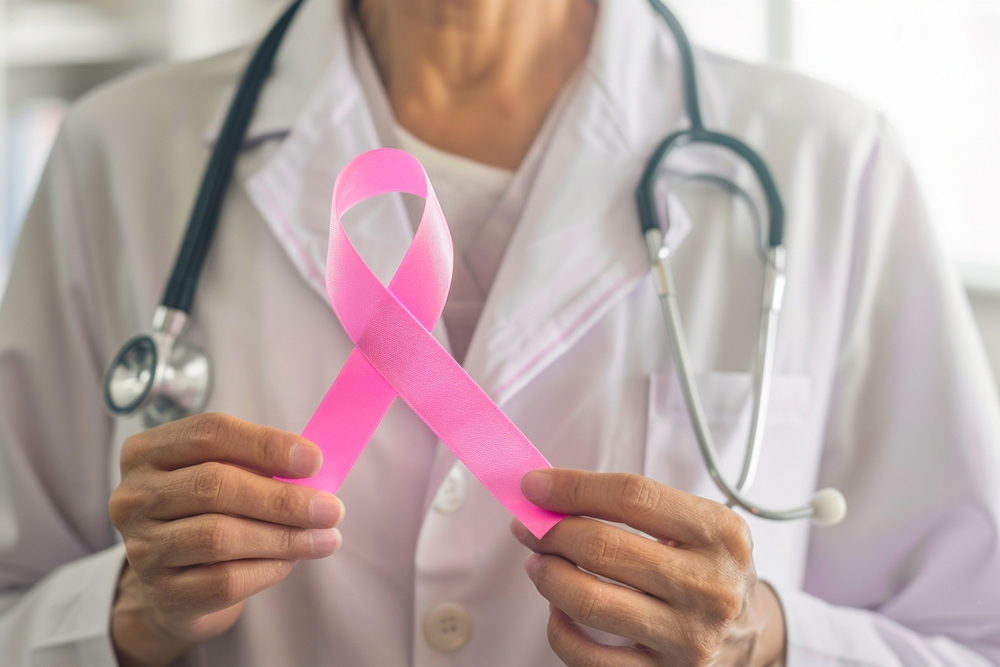
Winner of the Women’s Cancer Innovation Award at the 2026 Femtech World Awards, Namida Lab is working to tackle gaps in breast cancer screening and detection through the development of an innovative tear-based test called Aria.
Catching breast cancer early depends on accessible diagnostics, with research showing that geographic inaccessibility is the most significant barrier to early detection and diagnosis.
Equally, surveys show that almost 50 per cent of US women who are eligible for an annual mammogram do not receive one every year.
Namida Lab is working to address these gaps with its breast cancer screening test, Auria.
By identifying biomarkers in tears, the-home test offers a cost-effective, accessible way that aims to improve access and uptake.
The test does not diagnose breast cancer, but detects signals early on that indicate breast cancer may be present.
Omid Mogadam, CEO of Namida Lab, speaks to Femtech World about how the company aims to save lives by improving early detection, and what it means to win the Femtech World Women’s Cancer Innovation Award 2026.
The Auria test has a unique way of detecting breast cancer using tears – what was it that inspired you to use tears as a way of detecting breast cancer?
Our work comes from academic research that is around 20 years old. There were a number of breast cancer surgeons at the forefront of trying to find early screening, because they were the ones who had to deal with consequences of finding cancers in later stages.
Two of these surgeons we know: Suzanne Love at UCLA and Suzanne Klimberg at UAMS.
They started looking at biomarkers in alternate fluids other than blood, and Suzanne Love discovered cancer or breast cancer markers in milk of lactating women – nickel aspirate.
Klimberg started looking at tears because the nipple aspirate and tears are both byproducts of blood plasma.
They did clinical trials and found actually that there was a difference between the protein levels in tears of women with and without breast cancer.
That was the basis of the work that we adopted and brought into the company; to actually identify what those markers were, and to validate them through various trials, and then turn that into the product that eventually became Auria.
What makes tears unique is that there’s a lot of dead cells and pieces of other analytes that are circulating in blood.
They are much larger proteins which mask the smaller ones that you’re looking for. These cancer markers are typically small small molecules, and finding them in blood becomes an expensive proposition.
What are the gaps in diagnostic care that need addressing?
Our modern healthcare system is very good at advanced diagnostics in treatments, new treatments, and advanced imaging.
What it’s not good at is engagement, in bringing people in at an early stage.
In order to be able to serve everyone, keep people healthy, and not bankrupt the healthcare systems, you really do need that early engagement, which currently doesn’t exist.
A test like ours uses a signal from your body to tell you that you need to engage the system, and that is very powerful.
The result of our test is not whether you have breast cancer, it says that there is a signal that says there might be breast cancer – so, you need to follow up and engage sophisticated imaging, diagnostics, and treatment in the healthcare system.
As a result, more people will screen, and we will find cancers in earlier stages.
Right now, in the U.S. half the mortality in breast cancer is in women under the age of 45, and a lot of them have never been screened. They come in with later stage cancers and we need to flip that statistic.
Our test is recommended for someone without symptoms, and who may not be a high risk person. If you’re high risk, you need to be in a high risk screening programme, but this is for people of average risk with no symptoms.
Can you explain the science behind how the screening test works with proteins in tears to detect the possibility of breast cancer being present?
Looking at the early cancer detection technologies, there are a lot of products that use circulating tumor DNA and methylated DNA.
These all all fall under the same category of DNA tests, and they look for the DNA shedded cells from tumours.
There is a negative to using ctDNA or methylated DNA for early cancer detection because, in early cancer detection, there’s not enough of those shed cells because the tumor has not formed or has formed it very small and it’s not shedding.
This means that these types of tests do very well in later stages of cancer.
For earlier stages, you shouldn’t be looking for DNA. That’s why we focus on proteins.
We’re looking for proteins that surround the formation of cancer. In breast we’re looking for breast inflammation, and vascularization proteins, which always exist in the body.
So, those are the proteins that we’re looking for, and we’re looking for elevation of those proteins. We have had several rounds of discovery in order to identify those proteins.
The very first one, we took human tears and mapped all of the protein markers that are in them.
Once we had that database, then we started looking at breast cancer and the relevance of elevation of these proteins, and which will be elevated in a statistically meaningful way for women with breast cancer.
We went through several rounds of studies to see which ones are actually highly significant, and those were the ones that we built our assay around.
What challenges do women face when looking to access early screening for breast cancer?
The inconvenience of early screening for women exists everywhere.
For example, the “danger” age for breast cancer is the busiest time of a woman’s life when they may have family obligations, aging parents, children or a career.
There is also the scarcity of resources. There are some health systems in the U.S. in larger cities where there is a six to nine month wait to get a mammogram, and if you miss your appointment, you are back in the back of the queue and have to wait another six to nine months.
Equally, there is currently a shortage of radiologists using imaging, and there is also the compression of mammograms on the breast tissue which can cause pain and inconvenience, which is also not very good for women with dense breasts or with breast implants.
In a large country like the United States, you know most of the imaging centers are concentrated in cities.
If you live anywhere between 30 to 40 miles, which is normal commuting distance in a lot of cities, it’s very difficult to take the whole day off and just go to one appointment and come back. So people miss them.
Additional barriers exist for women in certain cultures such as Hispanic women and Asian women that they don’t want to bother their family with their own issues, so they miss their cancers.
There’s a lot of issues that a convenient at-home collection will solve. Because it’s at home, you can do it any time.
You don’t need to build an infrastructure for it. We use the U.S. Postal Service, for example. That’s our infrastructure of collection.
Auria is designed to complement imaging rather than replacing it. How do you envisage the test fitting into existing healthcare pathways?
Right now, our test is direct to consumers.
We offer them through the healthcare system which currently has two branches. One is insurance covered, which adopts new inventions at a much slower rate. Then there is direct care, which is cash pay healthcare which adopts innovation much more readily.
As well as being direct to consumers, we also provide employers who pay for more than half of the healthcare costs of the country.
They also adopt new inventions much more readily than the healthcare system, and they offer it as supplemental benefits to their employees.
Eventually, we see ourselves becoming integrated into the screening system, as well as moving into other spaces such as the colorectal cancer space.
We will be bringing more patients into the system to get screened. That’s going to be the next phase of screening in cancer.
What would it mean for patients if a simple non-invasive sample could eventually become the entry point for screening for multiple cancers?
Our current product is in breast cancer, but we do have targets for other cancer markers in tears.
Depending on funding, we will expand our R&D programme into those as well.
So right now we have targets for five other cancers plus one for a diagnostic in breast cancer. That test wouldn’t just be a screening, it would be a diagnostic, and that would be a game changer.
What are the plans now for the lab for maybe the next year or two? Do you have any milestones coming up, or any specific developments you’re working on?
In order to get into the regular healthcare system in the U.S. we need FDA clearance.
Right now, our test is a lab-developed test that we sell under a CLIA license. In the next year we’re going to start our studies for the FDA clearance and submit our application there.
We’re going to continue working with more employers next year. Following that, I would like to expand into other studies and other platforms.
We also have a proof of concept: we transferred our tests to disposable cartridges, which would make it even more interesting because then you can get the result at home rather than have to send the sample back to us.
What does it mean to yourself and the team to win the Femtech World Award?
It’s a great honor to be recognised for your work, and it came out of nowhere.
We were just quietly working over here in this corner of the world when we got the good news.
One of the reasons that we’re looking to develop the disposable cartridge is for low-resource countries to be able to afford them.
They need they need different tools for for their populations, and and I hope that in the next next few years that this thinking gets to public health officials in those countries, and they start they start doing their own studies or changing changing the protocols that they are adhering to today.


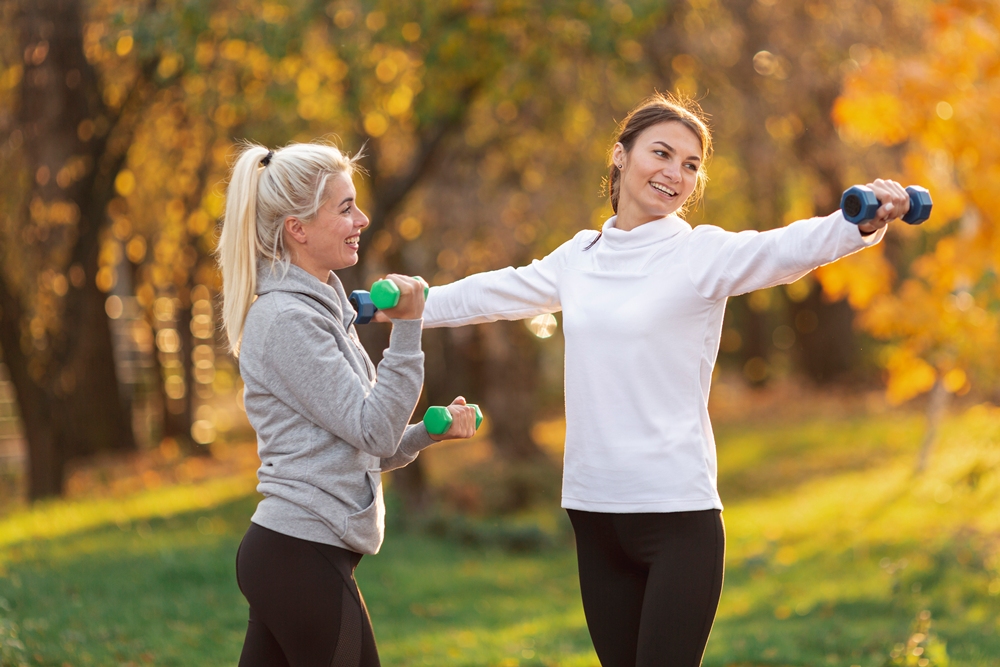
Women are underutilising cardiac rehabilitation programmes despite clear evidence they reduce hospital readmissions and the risk of future heart attacks, new research shows.
Even when women do join these exercise, lifestyle and education programmes after heart surgery or major cardiovascular events, they are less likely than men to complete them.
An American Heart Association scientific statement highlights the benefits of cardiac rehabilitation, barriers to access, and potential ways to increase participation among women.
It was co-authored by Jessica Golbus, a cardiologist at the University of Michigan Health Frankel Cardiovascular Center.

Cardiac rehabilitation combines supervised exercise sessions, education about heart-healthy living, and counselling to reduce stress and improve mental health following a cardiac event.
Patients typically attend several sessions a week for multiple weeks or months.
Golbus said: “Even when women do participate, the research tells us that they are still less likely to complete cardiac rehabilitation as compared to men.
“There are several barriers that women face to accessing cardiac rehabilitation, and existing programmes may fail to adequately address their specific needs.”
Women are referred for cardiac rehabilitation less often than men, with clinicians less likely to discuss it with female patients.
This gap is even wider among women from underrepresented racial groups.
Other barriers include insurance coverage, transportation problems, social isolation and caring responsibilities.
Women are more often the primary caregivers in families, which can make attending regular sessions difficult.
Research shows women who do take part benefit just as much as men — with lower blood pressure, better cholesterol levels and an improved quality of life.
Golbus said: “There is so much research that shows how cardiac rehabilitation is an essential tool for patients to optimise their recovery.
“I would encourage anyone who thinks they might be eligible for cardiac rehabilitation to talk to their clinical team and consider participating.”
Women recovering from cardiac events often have specific needs that existing programmes do not always meet.
They are more likely than men to experience depression and emotional distress after a heart event, and tend to be older at diagnosis, with additional health conditions that may restrict their exercise capacity.
They are also more likely to be referred following less common cardiovascular conditions such as coronary artery dissection — a tear in the wall of a heart artery — rather than the more typical heart attacks that usually lead to referral.
Golbus said: “Despite women having some unique needs, the research supports that all patients that qualify for cardiac rehabilitation have the potential for benefit.”
The statement outlines several ways to close the participation gap.
Automatic referral systems could significantly boost enrolment, while direct recommendations from physicians or case manager support have been shown to improve awareness and attendance.
Golbus said: “All of this points to a clear need for targeted interventions to improve cardiac rehabilitation participation and outcomes among women.
“I think the approach needs to be multi-faceted.”
Tailored programmes for women could help — such as offering a wider range of exercise options, more focused education and stronger psychosocial support.
Peer support groups after cardiac diagnoses are also linked to better quality of life and lower depression and anxiety scores.
Golbus said: “Women may also benefit from a peer support group after a cardiovascular diagnosis or event.
“Participating in those groups is linked to increased quality of life and lower depression and anxiety scores, which all affect cardiac rehab attendance.
“Finally, there is reason to explore virtual cardiac rehab that incorporates digital health technologies.
“This could eliminate the need for transportation to sessions and potentially improve access for patients who are unable to attend centre-based cardiac rehabilitation.”

The way we look for health information has changed a lot.
Search engines are full of confusing advice, and more and more people are turning to TikTok for answers, even though it’s risky.
Lina felt this struggle herself— being disappointed by multiple first time visits of various doctors she spent hours scrolling through Google and TikTok, trying to find reliable health information after not having a period for years.
Her frustration led to the creation of femble—a platform for womens health that allows you to find and follow health-experts within seconds.
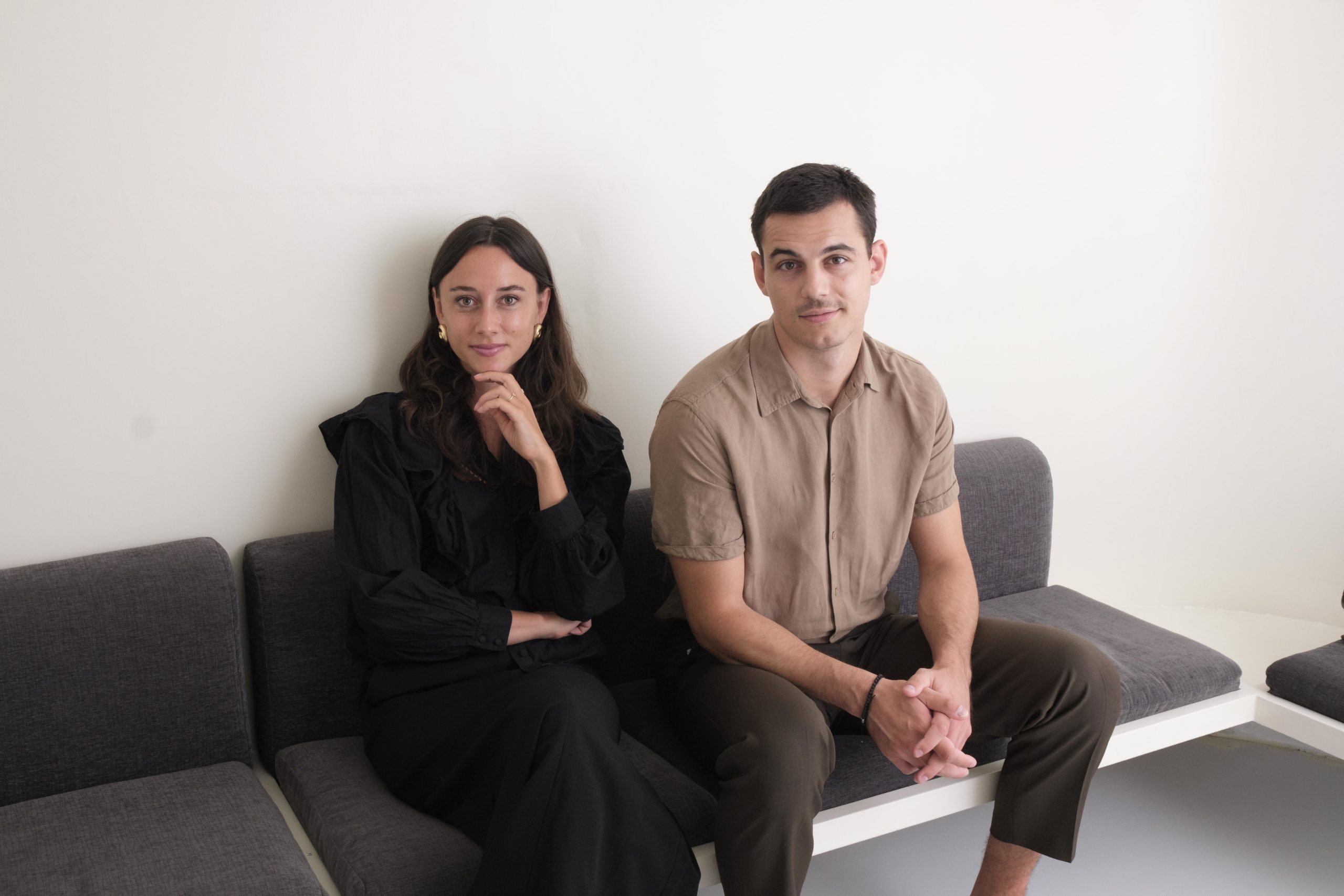
Here, the founders Lina Graf and Daniel Steiner tell us more about the journey and why femble transforms our access to health information.
Lina, what was the founding idea behind femble?
We all have googled symptoms and thought “this is nonsense” or “it’s annoying to go through all those pages”.
This is particularly true for women who still are often dismissed by our health-care systems and have to rely on digital sources.
The concern is that TikTok is increasingly replacing Google as the go-to source for health questions among Gen Z, which brings its own set of risks.
So we face the issue of needing quick access to engaging information, but also making sure it’s valid.
With femble, we close this gap by enabling health-experts to build a digital presence while enabling women* to search and find valid information in a second.
Daniel, what motivates you to build femble even though the end result might not be helping you directly?
First of all thanks for having us and doing what you do.
Secondly I see a massive need and obligation of a new generation of men challenging systems that ultimately mostly other men have built.
This also accounts for the health-care system. And besides that, there have been other men in the fem-tech way before me – be it the founders of Flo health or the co-founder of Clue.
Ultimately working together, no matter what gender is even anchored in our name: femble. Fem for female, ble for ensemble – together.
What’s the market potential for femble, especially considering the current state of healthcare systems, Lina?
Healthcare systems are facing immense pressure globally, leading to a decline in quality and health literacy.
femble steps in as a solution by directly connecting women with expert-verified health information, increasing health literacy and guiding patients to the right resources.
For doctors/health-experts, this means a more efficient use of their time, allowing them to focus on quality care while reaching a broader audience through our platform.
This approach has the potential to significantly enhance doctor patient connection.
By empowering both patients and doctors, femble is set to make a significant impact in the healthtech landscape.
Daniel can you give us some insights on how the platform works exactly again? Do I get answers to specific questions or insights based on my profile?
Right now, femble offers a feed with verified knowledge from health experts, similar to how you’d consume social media content.
Our next phase is launching a search engine feature, enabling users to search for specific questions and content.
Then users can really find and follow health-experts within a second – you get to know a team of experts before you even had an appointment with them so to speak.
How many users and experts are on the platform by now?
We have thousands of monthly users and dozens of experts who are already building their following on femble.
What’s exciting is that over 55 per cent of our users engage with the platform weekly.
We’re starting to receive a lot of requests by various health-experts who want to educate their own patient base better and get guidance on how to create video-content.
So figuring out how to scale and automize health-expert onboarding is a challenge we currently work on and you can expect to see many more experts on the platform within the next couple of weeks and months.
Sounds amazing. Last question: What’s your vision for femble?
femble aims to make health as accessible as TikTok, but as trustworthy as a doctor’s office.
Our vision for femble is that it becomes the number one search engine for health questions and enables us all to continuously find trustworthy information – also meeting the demands of today’s generations.
Find out more about femble at femble.co



 Menopause1 week ago
Menopause may not explain rising heart condition in women – study

 Entrepreneur2 weeks ago
Last chance to save on Women’s Health Week and Women’s Sport Summit: Early Bird pricing ends 11 September

 Fertility2 weeks ago
Paracetamol use may impact future fertility, studies suggest

 Mental health1 week ago
Women with birth trauma face 2.5x higher healthcare costs – study

 Menopause2 weeks ago
Cancer drug could tackle osteoporosis menopause weight gain

 News7 days ago
Medical cannabis may improve endometriosis symptoms – study
 Cancer1 week ago
Study could explain why obesity is a breast cancer risk factor
 Diagnosis2 weeks ago
FDA approves AstraZeneca breast cancer drug