





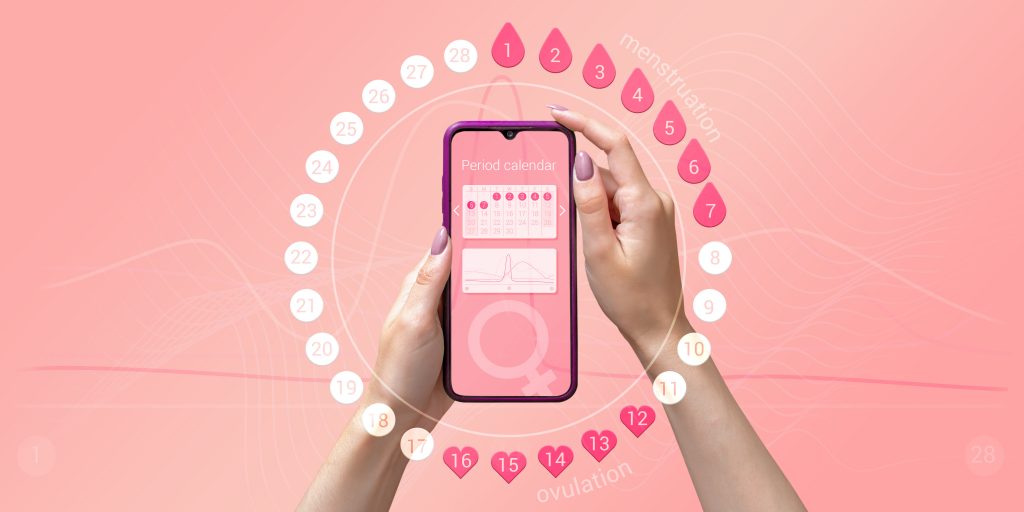
There is no question that in this digital age, purpose-led customers are taking a proactive role in their health and wellbeing. It’s no surprise we are seeing a spike in retail health and femtech gadgets.
Post-Covid, there has been a massive increase in technology adoption across the healthcare spectrum, with both consumers and ecosystem providers looking to adopt more tech for good in various configurations, according to the Parks Associates Report.
As products move through from alpha to beta and onto commercialisation, health tech innovators and strategists need to select a mix of promotional strategies to drive awareness, adoption, downloads or sales of a brand’s offering. Here’s how you can promote your femtech idea.
Data: the scene-setting golden gem
Industry and lifestyle data is key for mapping out both problems and solutions in femtech marketing. Journalists use the data to confirm the market size, and it is also used to set the scene on a market need and demonstrate quantifiable benefits or benchmarks for improvements.

Qualified experts
When promoting any health product, service or brand, qualified experts are vital in communicating the factual benefits and details of the proposition to both the end customer and the media. It is the scientifically backed voice that is needed to cement credibility. This can be linked to the wider lifestyle benefits and seasonal celebrations.
Company experts are invaluable to the wider brand story and can be the spokespeople of the company by participating in panel sessions or webinars.
The content of such webinars can also be repurposed as thought leadership articles or blogs. The C-suite founder story is of interest to specific media titles, but it is the expert that bridges the science, real life and lifestyle which is the golden thread.
Focus on real people
Real customer experiences are key to bringing a product or service to life. They can demonstrate the real impact that a health, general wellbeing or femtech brand has had on a person’s life, which can inspire others to embark on a similar journey.
This builds credibility when prospective customers are doing their research. It also makes for a good “real life, real impact” health article that a lot of publications are crying out for.
If you are looking to expand in a particular market and you want press coverage, then get those case studies drafted.
Authenticity
Research shows that consumers value authenticity and choose products and brands based on how well they align with their values. A claim of authenticity needs to be backed up and reinforced in different ways. This is where content marketing strategies come into play.
Consumers and journalists are more selective and sceptical about product and brand marketing messages, so how do you make them believe your offer?
Being a commercial enterprise may, at first, seem like a mammoth task. However, it’s quite easy to be genuine!
The key is to tell genuine “brand” stories that customers can connect with, about real people, and demonstrate genuine results or market data.
Reviews
Encouraging customers to post product and brand reviews online is a great way to demonstrate your credibility. Reviews can help to cross-sell products to current customers or create an authentic, positive impression on prospective customers.
Positive reviews create trust from potential customers by reducing purchase risk and making the customer feel more comfortable in their decision-making. When reviews are made they can be shared on the website, in adverts or on social media that customers can further share with their network.
Partner with wellbeing, health or lifestyle influencers
To complement press articles and reviews it is worth considering collaborating with an influencer that is a good fit with your product or brand. Influencers are categorised into nano-, micro-, macro-, and mega-influencer categories, based on their follower base and reach.
Another effective model is to work with an influencer as a content creator with the agreement being about them creating authentic content, which your brand can share to its own channels, or apply amplification via paid advertising.
When researching and selecting influencers don’t go on follower count alone. Brand alignment is key, as is strong engagement.
Influencers can work on either a paid or gifted agreement. However, a contract should be drawn up to agree on output. Part of this agreement would include a number of posts, a backlink, or a discount to followers.
Build the community
Digital marketing and social media create many opportunities for health, wellbeing or femtech brands to engage with their customers and followers.
Timely, automated messaging can be set up to promote the product or brand offer. Testimonials can be shared to inspire others, and questions can be shared to drive engagement.
This, coupled with effective brand positioning and content marketing, will reinforce the value and impact that the product or brand is making in the end consumer’s life. This is by supporting their goals and making a real impact on their longer-term health and wellbeing.
Nicola Finn is an associate director at the PR and digital marketing agency OggaDoon.

Newsletter
Sign up for free weekly updates
The latest femtech news, research and investment, straight to your inbox.




