



News
Study shows potential of AI model in improving ovarian stimulation decisions in IVF treatment

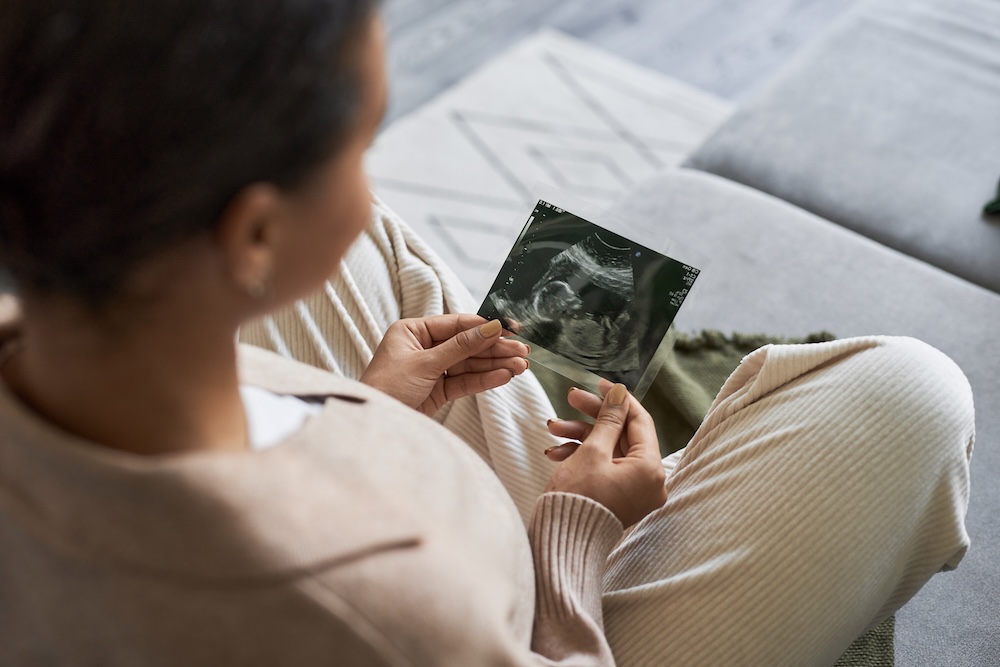
A groundbreaking study has demonstrated the potential of AI in optimising the ovarian stimulation process for IVF treatment.
The study, led by Dr Chelsea Canon, a reproductive endocrinologist and infertility specialist for RMA of New York, was a multi-center, prospective analysis of AI’s impact on IVF outcomes.
The Alife software, known as Stim Assist, provides physicians with personalised recommendations based on patient-specific characteristics and follicle growth.
This study is the first to prospectively investigate the clinical outcomes of IVF patients when clinicians utilised AI software to assist in determining the optimal starting dose of follicle-stimulating hormone (FSH) and the timing of trigger injection.
“The results of our study are incredibly promising,” said Dr Eric Flisser, one of the lead authors of the study.
“We found a trend towards improved egg yield and a reduction in FSH usage when physicians used Alife’s Stim Assist. This suggests that AI has the potential to refine the starting dose of FSH and narrow down the timing of the trigger injection during ovarian stimulation, ultimately benefiting patients by optimising the number of mature oocytes retrieved and reducing medication costs.”
Dr Alan B Copperman, CEO of RMA of New York and a collaborator of the study, said: “The use of AI in IVF represents a significant advancement in reproductive medicine.
“By leveraging AI to optimise ovarian stimulation decisions, we can potentially improve IVF outcomes and streamline the treatment process for patients.”
The study, which involved 291 patients undergoing IVF treatment at two clinics in the US, underscores the potential of AI to revolutionise the field of assisted reproductive technology.
However, the researchers emphasised the need for further studies to validate these findings and explore the broader application of AI in IVF treatment.
To receive the Femtech World newsletter, sign up here.






Health tech companies advancing female health outcomes through AI innovation are being encouraged to enter Femtech World’s third-annual awards event.
The awards celebrate the best examples of leadership, innovation and impact in key areas that affect women’s health and wellbeing.
Introduced in 2025, the AI Innovation award honours an individual or organisation pioneering the use of artificial intelligence to transform women’s health.
The winner will have demonstrated groundbreaking innovation in applying AI to improve diagnosis, treatment accessibility, or overall health outcomes for women.
The award is sponsored by Women’s Health Week, whose flagship women’s health conferences across Europe and the USA unite the complete ecosystem.
This includes visionary founders, strategic investors, multinational corporations, and specialised service providers – accelerating life-changing solutions that address women’s most critical unmet health needs.
Femi Adetoro, marketing manager, Women’s Health Week, said: “We’re happy to be back partnering with the Femtech World Awards for another year as a part of our commitment to highlighting the innovators disrupting women’s heath with investable and scalable products/services.”
Molly Taylor, head of content, Women’s Health Week, added: “We’re especially excited to be sponsoring the AI Innovation category this year as it aligns strongly with our mission to spotlight innovation that’s driving health impact for women worldwide.”
The AI Innovation award is one of 10 featuring at the event, which last year attracted entries from across the UK, Europe and North America.
Award winners will receive a trophy and the opportunity to be interviewed by Femtech World.
Both winners and shortlisted entries will receive extensive coverage across all Femtech World platforms.
Find out more and enter for free here.



By Celine Vignal, co-founder of Seesaw Health
The past year marked a turning point in femtech.
After a decade of steady progress, 2025 delivered a wave of innovations that pushed women’s health technology into a more mature, data-driven, and clinically integrated era.
From AI-enhanced hormone analytics to nervous-system biofeedback, companies shifted away from generic wellness and moved toward precision, personalisation, and validated outcomes.
With women now representing more than 80 per cent of household healthcare decisions and nearly 50 per cent of the global workforce, the demand for tools that reflect biological realities and not just generalised averages, has never been stronger.
Major Developments in 2025: From Hormone Intelligence to Pelvic Care
One of the most notable advancements in 2025 was the rapid evolution of AI-powered fertility and hormone-tracking technologies.
Fertility platforms expanded beyond ovulation prediction to offer multi-hormone modeling, giving users clearer insights into perimenopause, thyroid interplay, and metabolic patterns.
The industry also saw a surge in devices capable of real-time hormone detection, supporting more personalised care for women across all life stages.
Menopause tech continued its expansion.
What began five years ago as symptom-logging apps has now grown into integrated care platforms offering telehealth, digital coaching, non-hormonal treatment plans, and AI-based flare-up predictions.
Companies are increasingly leveraging longitudinal data to help identify early markers for sleep disruptions, cardiovascular risk, and mood instability, issues that disproportionately affect midlife women yet have historically lacked attention.
Meanwhile, menstrual and pelvic-health technology advanced significantly.
In 2025, startups brought to market more precise ways to monitor menstrual patterns, pelvic floor function, and chronic conditions like endometriosis.
We saw a rise in devices that combine sensor technology with therapeutic guidance. This reflects a deeper shift: women’s health problems long dismissed as “normal” are now being re-examined through a scientific lens, supported by better data and better tools.
Maternal health also benefited from this momentum.
Remote monitoring platforms now help track blood pressure, glucose variability, and stress biomarkers throughout pregnancy and postpartum, improving early detection for conditions like preeclampsia and gestational diabetes.
Importantly, many of these solutions are being built with inclusivity in mind, aiming to reduce disparities that have persisted for decades.
The Role of Nervous-System Data in Personal Health
Throughout 2025, the value of autonomic data—the signals that reflect how the body responds to stress—gained recognition as a critical element of women’s health.
New biosensors and software have made it possible to measure parasympathetic activity in real time, offering a window into how the nervous system modulates inflammation, pain, hormonal stability, and emotional regulation.
This represents a major shift: instead of using stress-reduction apps that rely solely on self-report or generic protocols, people can now see how their body responds physiologically in the moment.
Beyond wellness applications, this kind of data has important potential for chronic conditions that affect women disproportionately.
Autonomic dysregulation plays a role in migraines, IBS, endometriosis, PCOS, anxiety disorders, and perimenopause symptoms.
Tools that help women understand and regulate their stress response could become a critical layer of preventive care.
Predictions for 2026: Relying on Body Data
1. Nervous-system biomarkers will become as common as heart-rate data
In 2026, real-time stress measures, such as vagal tone, respiratory patterns, and autonomic balance, will increasingly appear in wearables and therapeutic devices.
Seesaw Health is one example of this trend, offering sensor-driven insights into parasympathetic activity to personalise breathwork and recovery.
We’re also seeing early signals from devices integrating sensors directly into earbuds and ambient sensors that adapt lighting and sound based on autonomic patterns.
2. Pelvic and menstrual health will enter a precision-care era
Expect more clinical validation and early-detection tools.
Startups are already piloting AI-powered ultrasound analysis for early endometriosis suspicion and pelvic-floor trainers like Perifit that adjust programmes based on muscle response rather than user guesswork.
High-resolution menstrual-mapping platforms will expand beyond risk scoring to offer cycle-specific care recommendations.
3. AI-driven coaching will personalise daily health decisions
Virtual health assistants will combine biological data with contextual signals to offer just-in-time guidance like Maven Clinic.
Some tools are already experimenting with flare-up prediction for PMDD or endometriosis, and with workout-modification engines that adapt intensity based on inflammation, sleep debt, and stress load.
As these models mature, daily self-care routines could become far more adaptive.
4. Menopause platforms will formalise into mainstream care
With over one billion women projected to be in perimenopause or menopause by 2030, insurers and health systems are beginning to integrate menopause-specific care pathways.
Tools offering cognitive-support modules, cardiovascular risk tracking, and metabolic change monitoring will likely become standard, especially those like Elektra Health combining telemedicine care with evidence-based education.
5. The consumer–clinician bridge will narrow
Women increasingly expect their digital tools to generate data they can share with providers.
In 2026, more apps will automatically produce structured summaries for clinicians, covering pain patterns, autonomic signals, cycle changes like Mira Fertility, or medication effects.
Early pilots are underway exploring integration of pelvic sensor data into PT workflows and autonomic summaries into functional medicine assessments.
About the Author
Celine Vignal is the co-founder of Seesaw Health focused on female physiology, stress regulation, and preventive care.
Her work centers on translating complex nervous-system science into accessible tools and biofeedback parasympathetic breathwork methods that support everyday resilience and nervous system balance.









-

 News3 weeks ago
Opinion: Not ‘just stress’ – How hormonal changes affect women’s brain function
-

 Diagnosis4 weeks ago
Top 7 drug-free solutions for managing PMS and PMDD in in 2025
-
 Diagnosis3 weeks ago
Researchers develop nasal therapeutic HPV vaccine
-

 Wellness3 weeks ago
Woman files lawsuit claiming fertility clinic ‘bootcamp’ caused her stroke
-

 News4 weeks ago
YON E Health raises €250k for its vaginal health device
-

 Wellness4 weeks ago
Researchers achieve first pregnancy using AI to recover sperm in infertile men
-

 Opinion1 week ago
Doctors push back on ‘data-free’ ruling on menopause hormone therapy
-

 Menopause3 weeks ago
Sleep-related disorders linked to hypertension in postmenopausal women
1 Comment