




Mental health
Many Gen X women show signs of addiction to ultra-processed foods – study


Twenty-one per cent of Gen X women meet criteria for addiction to ultra-processed foods, compared with 10 per cent of men in the same generation, new research has revealed.
The rate is much higher than among adults who grew up earlier and first encountered ultra-processed foods – products high in fat, salt, sugar and flavourings – later in life.
Among those aged 65 to 80, 12 per cent of women and 4 per cent of men meet the criteria.
Researchers at the University of Michigan analysed nationally representative data from more than 2,000 older Americans in the National Poll on Healthy Aging.
They used the modified Yale Food Addiction Scale 2.0, adapted from substance use disorder criteria, which asks about 13 behaviours linked to addictive eating such as cravings, withdrawal, failed attempts to cut down, and avoiding social activities out of fear of overeating.

“We hope this study fills a gap in knowledge about addiction to ultra-processed foods among older adults, as measured by a well-studied and standardised scale,” said Lucy K. Loch, a graduate student in the university’s department of psychology.
“Today’s older adults were in a key developmental period when our nation’s food environment changed.
“With other research showing clear links between consumption of these foods and risk of chronic disease and premature death, it’s important to study addiction to ultra-processed foods in this age group.”
Unlike substance use disorders, which have been more common in older men, ultra-processed food addiction is more prevalent in older women.
“One reason may be the heavy marketing of “diet” processed foods to women in the 1980s.
Low-fat biscuits, microwaveable meals and other carbohydrate-heavy products were promoted as weight-control options, but their engineered profiles may have encouraged addictive eating patterns.
“The percentages we see in these data far outpace the percentages of older adults with problematic use of other addictive substances, such as alcohol and tobacco,” said Ashley Gearhardt, professor of psychology at the university.
“We also see a clear association with health and social isolation, with much higher risks of ultra-processed food addiction in those who call their mental or physical health status fair or poor, or say they sometimes or often feel isolated from others.”
The study found strong links between weight perception and food addiction.
Women aged 50 to 80 who said they are overweight were more than 11 times as likely to meet the criteria than women who said their weight was about right.
Overweight men were 19 times as likely.
Across the whole sample, 33 per cent of women who said they were overweight, 13 per cent who said they were slightly overweight, and 17 per cent of men who said they were overweight met the criteria.
Mental health played a role too. Men reporting fair or poor mental health were four times as likely to meet the criteria, while women were nearly three times as likely.
For physical health, men reporting fair or poor health were three times as likely, and women nearly twice as likely.
Social isolation was another factor, with both men and women who said they sometimes or often felt isolated being more than three times as likely to meet the criteria.
The researchers suggest that people who see themselves as overweight may be especially vulnerable to “health-washed” processed foods – products marketed as low-fat, low-calorie, high-protein or high-fibre but still engineered for maximum appeal.
“These products are sold as health foods – which can be especially problematic for those trying to reduce the number of calories they consume,” Gearhardt said.
“This especially affects women, because of the societal pressure around weight.”
Adults now in their 50s and early 60s are the first generation to spend most of their lives in a food environment dominated by ultra-processed products.
“These findings raise urgent questions about whether there are critical developmental windows when exposure to ultra-processed foods is especially risky for addiction vulnerability,” Gearhardt added.
“Children and adolescents today consume even higher proportions of calories from ultra-processed foods than today’s middle-aged adults did in their youth.
“If current trends continue, future generations may show even higher rates of ultra-processed food addiction later in life.”
“Just as with other substances, intervening early may be essential to reducing long-term addiction risk across the lifespan,” she said.













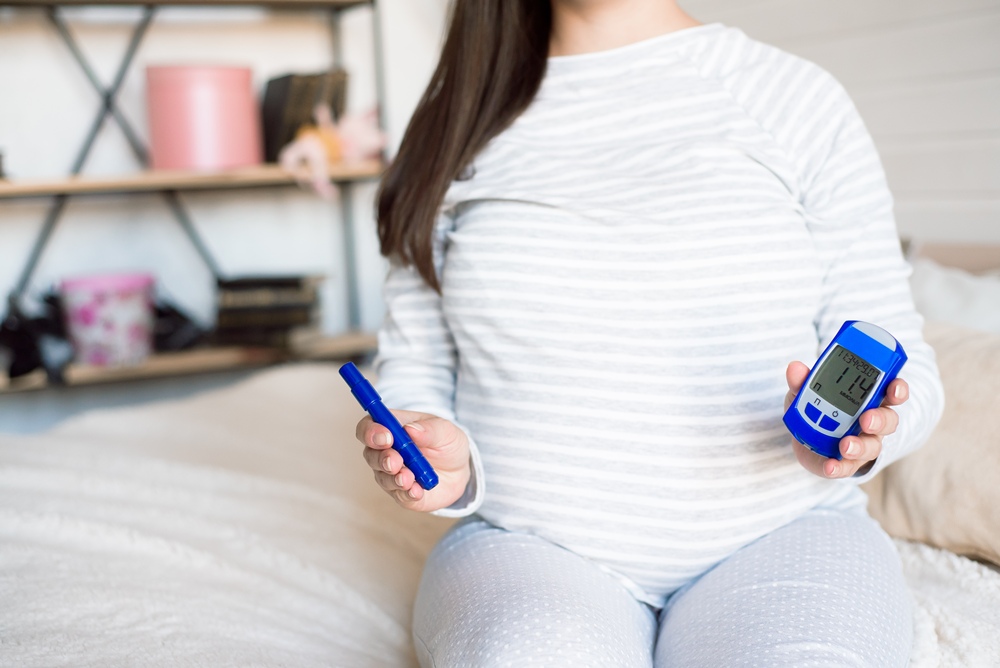
More than half of women with gestational diabetes report stigma from healthcare staff, family, friends and wider society, new research shows.
A survey of 1,800 UK women found widespread emotional distress at diagnosis of the condition, a form of high blood sugar that develops during pregnancy, with effects lasting beyond birth.
Gestational diabetes affects around one in 20 pregnancies in the UK, and the findings highlight the wider toll on women diagnosed with the condition.

The study was funded by Diabetes UK and led by researchers at King’s College London and University College Cork.
Dr Elizabeth Robertson, director of research and clinical at Diabetes UK, said: “Stigma can have a dangerous and devastating impact on pregnant women diagnosed with gestational diabetes, particularly at a time when emotions and anxieties may already be heightened.
“We know that stigma can lead to shame, isolation and poorer mental health, and may discourage people from attending healthcare appointments, potentially increasing the risk of serious complications.
“This research highlights the urgent need for better support systems, based on understanding and empathy to ensure no one feels blamed or judged during their pregnancy.”
More than two-thirds of women, 68 per cent, reported anxiety at diagnosis, while 58 per cent felt upset and 48 per cent experienced fear.
The psychological impact continued beyond birth, with 61 per cent saying the condition negatively affected their feelings about future pregnancies.
Nearly half of women, 49 per cent, felt judged for having gestational diabetes, while 47 per cent felt judged because of their body size.
More than 80 per cent felt other people did not understand gestational diabetes, and more than a third, 36 per cent, concealed their diagnosis from others.
Gestational diabetes stigma was also common in healthcare settings, with 48 per cent reporting that professionals made assumptions about their diet and exercise, and more than half, 52 per cent, feeling judged based on their blood glucose results.
Many women described a loss of control and a sense of disruption during pregnancy.
Nearly two-thirds, 64 per cent, felt they were denied a normal pregnancy, while 76 per cent reported a lack of control over their pregnancy.
More than a third, 36 per cent, felt abandoned by healthcare services after giving birth, and one in four, 25 per cent, continued to experience depression or anxiety postpartum.
Focus group participants described harmful stereotypes, including assumptions that they were ‘lazy’, had ‘poor eating habits’ or ‘lacked willpower’.
Comments from family and friends included remarks such as “should you be eating that?” and “you must have eaten too much, that’s why you have gestational diabetes.”
The researchers are calling for targeted interventions alongside structured emotional support for women during and after pregnancies affected by gestational diabetes, to improve both mental and physical health outcomes.
Professor Angus Forbes, lead researcher from King’s College London, said: “Stigma and emotional distress are far more common in women diagnosed with gestational diabetes than many realise.
“Everyday interactions, even with those who mean well, can deepen this harm, shaping women’s emotional wellbeing and the choices they feel able to make.
“It’s clear that meaningful action is needed to protect women’s mental and physical health.”
Risk factors for gestational diabetes include living with overweight or obesity, having a family history of type 2 diabetes, and being from a South Asian, Black or African Caribbean or Middle Eastern background.
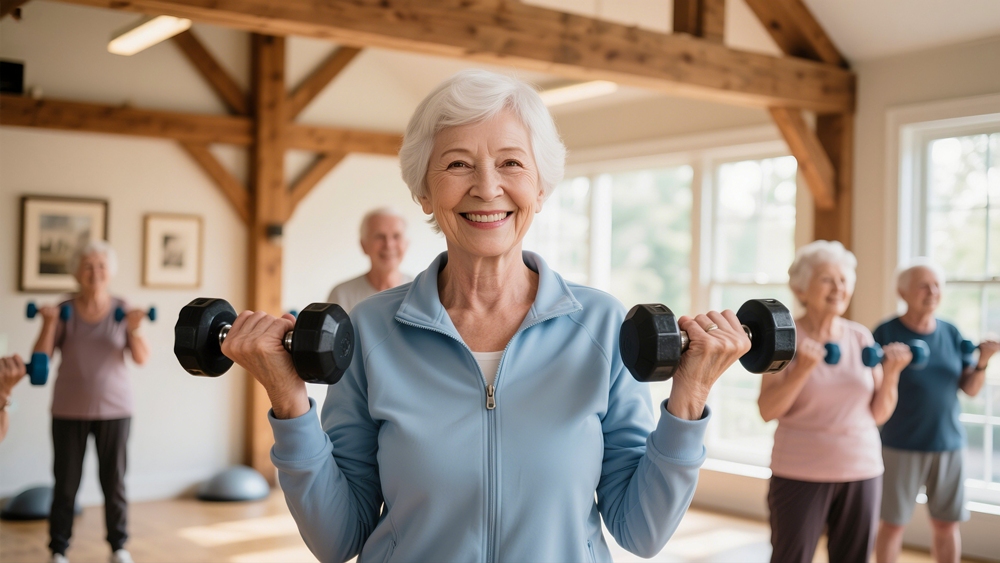
Weightlifting can improve memory and mental health in older women, whether they lift heavier or lighter weights, a clinical trial has found.
The study suggests structured exercise could offer a non-drug way to help protect the ageing mind.
As people age, physical abilities often decline and the risk of cognitive impairment rises.

Women can also face a higher risk of depression and anxiety later in life because of menopause, hormonal changes and shifting social factors.
Over time, poor mental health can speed up physical and cognitive decline.
Medical professionals often recommend cardiovascular and resistance training to help preserve physical independence.
Beyond building muscle and strength, lifting weights may also help protect the brain.
The research team recruited 120 women with an average age of 68 who were not taking part in any structured exercise programmes.
Before the intervention, independent cardiologists screened the volunteers using diagnostic stress tests to make sure they could take part safely.
The researchers then divided the women into three equal groups based on their baseline physical strength to ensure a balanced comparison.
The first group followed a resistance training programme using heavier weights for eight to 12 repetitions.
The second performed the same exercises using slightly lighter weights for 10 to 15 repetitions. The third acted as a control group and remained sedentary throughout the trial.
For three months, the active groups visited the university fitness facility three mornings a week.
Under the direct supervision of qualified fitness experts, participants completed three sets of eight different full-body exercises. These included weight machines and free weights, with movements such as chest presses, leg extensions, seated rows and bicep curls.
As the women grew stronger over the 12 weeks, supervisors progressively increased the weight they lifted.
This ensured participants stayed within their assigned repetition range while maintaining proper breathing and movement technique. Researchers also told all participants not to start any new exercise outside the laboratory setting.
The scientists carried out a broad set of cognitive and psychological tests before the programme began and again shortly after it ended.
They used the Montreal Cognitive Assessment to measure spatial skills, short-term memory and language processing.
The team also used several standardised surveys to track symptoms of geriatric depression and general anxiety.
Other tests assessed executive function, the mental processes involved in planning, focusing attention and multitasking.
In the Trail Making Test, the women had to connect a scattered sequence of numbers and letters as quickly as possible to assess cognitive flexibility.
In another verbal test, they had to name as many words beginning with the letter F, or as many animals as possible, within 60 seconds.
The researchers also used a computerised Stroop test to assess inhibitory control. In this visual test, the women saw words such as “red” or “black” displayed in conflicting ink colours, such as green.
They had to suppress the automatic urge to read the word and instead press a button matching the ink colour.
After the three-month intervention, both groups of weightlifters showed clear improvements in their test scores.
Their performance on the overall cognitive assessment rose, and their reaction times in executive function tests fell substantially.
The control group showed no such improvements, and in some categories their mental performance worsened slightly.
The structured exercise also reduced the severity of mood disorders among the active participants.
Scores for depressive symptoms fell by roughly 34 per cent in the lower repetition group and 24 per cent in the higher repetition group. Anxiety scores fell by more than 40 per cent in both groups.
The researchers said these improvements met the threshold for a clinically meaningful difference.
In practical terms, that means the psychological benefits were large enough for the women to notice in their daily emotional state.
The trial found no major differences in outcomes between the two repetition strategies, suggesting both intensities worked equally well against cognitive decline.
The study has several caveats that may shape future research into the neurological benefits of structured exercise.
The testing relied heavily on self-reported psychological surveys, which can be affected by subjective bias or temporary changes in mood.
The team also did not closely track differences in the women’s light daily physical activity outside the gym.
The researchers also said the social structure of the fitness programme may have contributed to the emotional benefits.
For 12 weeks, the active participants exercised in a shared, supportive environment, with regular contact with peers and supervisors.
This kind of consistent social interaction can help reduce loneliness and provide psychological relief.
Future trials will need to isolate whether different exercise durations or extra social interaction change these positive neural effects.
Even so, the results suggest resistance training could offer an accessible way to help treat mild cognitive and mood problems.
Regular weightlifting may benefit the mind as well as the muscles in older adults.
Mental health
Poor mental health, poverty and pollution significantly raise women’s heart failure risk – study













 Entrepreneur6 days ago
Future Fertility raises Series A financing to scale AI tools redefining fertility care worldwide

 Entrepreneur4 weeks ago
Three sessions that show exactly where women’s health is heading in 2026

 Pregnancy4 weeks ago
How NIPT has evolved and what AI NIPT means in 2026

 News4 weeks ago
Two weeks left to make your mark in women’s cardiovascular health

 Fertility2 weeks ago
Future Fertility partners with Japan’s leading IVF provider, Kato Ladies Clinic

 Mental health1 week ago
Lifting weights shows mental health and cognitive benefits in older women, study finds

 Mental health2 weeks ago
More research needed to understand link between brain fog and menopause, expert says

 Features4 weeks ago
Copper coil vs Mirena: Which is right for you?