



Special
Four femtech start-ups tackling endometriosis
As the endometriosis market is expected to reach US$3.2bn by 2030, we take a closer look at four start-ups in this sector


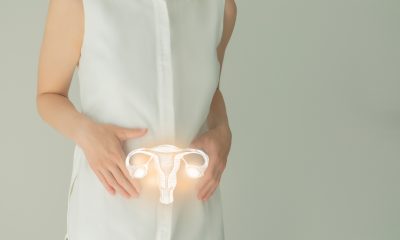
Endometriosis is a condition where tissue similar to the lining of the uterus grows outside the uterus, causing pain and often infertility.
It affects an estimated ten per cent of women globally – that’s 190 million. However, at present, there is no known cure for it and treatment is limited.
More and more start-ups devote their work to reproductive health, but gynaecology and conditions like endometriosis are hardly explored. Here we look at five start-ups shining a light on one of the most common gynaecological disorder.
Hera Biotech
Hera Biotech is the developer behind the world’s first non-surgical test for definitive diagnosis and staging of endometriosis.
MetriDx uses micro-fluidic analysis of single cells obtained from the patient’s endometrium to diagnose and stage endometriosis.
The US company has announced the first patient enrolled in the trail evaluating MetriDx and is currently raising a Series-A round to expand its clinical trials and commercialise the test.
Syrona Health
SORA, the virtual assistant developed by the UK company Syrona Health, helps women track their symptoms and learn more about their menstrual cycle.
The app provides free support for chronic gynaecological health conditions including endometriosis and PCOS, and recommends relevant products for patients such as home testing kits for fertility, PCOS, cervical cancer screening or CBT consultations.
SORA is also offered to employers to support employees who may be experiencing challenges with pregnancy, endometriosis, fertility, menopause, cancer or other reproductive health concerns.
Phendo App
Phendo is a free research app that helps women track, manage, and understand endometriosis and self-management strategies.
Besides helping create data for researchers, users are also able to reflect on their records and better advocate for their issues at the doctor’s office.
The project, which has over 15,000 users contributing their data, allow women access their data and contact the researchers at any time.
The data collected is stored on HIPAA-certified servers and has already enabled researchers to put together new scientific papers.

Gynica
In recent years, the medical cannabis sector has been growing immensely, bringing new solutions to address various medical problems.
The Israeli start-up Gynica is developing cannabinoid-based therapeutic solutions to treat chronic menstrual pain and painful intercourse, some of the most common symptoms of endometriosis.
The company’s research team have been studying the health benefits of cannabis and its effects on the female reproductive system, with the hope to bring relief and comfort to women worldwide.
To find out more about endometriosis, visit the World Endometriosis Society.








Former US first lady Dr Jill Biden visited Imperial College Healthcare NHS Trust and Imperial College London to explore work on women’s health and antimicrobial resistance.
The visit was hosted by professor the Lord Darzi of Denham, who chairs the Fleming Initiative and directs Imperial’s Institute of Global Health Innovation.
Dr Biden, chair of the Milken Institute’s Women’s Health Network, spoke about the impact scientists, clinicians, innovators and investors can have on improving women’s healthcare.

Dr Biden stressed the importance of “collaboration, prevention and education” in improving women’s health globally.
At the museum, Dr Biden and Esther Krofah, executive vice-president of health at the Milken Institute, heard about the worldwide significance of the discovery and the contribution of women who, during wartime Britain, grew penicillin in bedpans to support early experimentation.
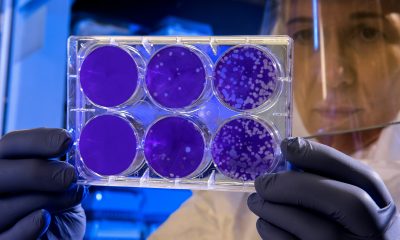
The discussion also explored how AMR is a key women’s health issue, with women disproportionately affected in low and middle-income countries, and in high-income settings where women are more likely than men to be prescribed antibiotics.
Dr Biden was shown an architectural model of the Fleming Centre in Paddington, which will bring together research, policy and public engagement to address AMR worldwide.
The second part of the visit brought together Imperial clinicians, researchers and innovators for a roundtable on women’s health priorities, including improving diagnosis, equity in maternity care and support during the menopause transition.
Participants highlighted wide variation in the quality of care for conditions affecting women and called for fairer access to services, with the postcode lottery named as a priority to address.
Professor Tom Bourne, consultant gynaecologist and chair in gynaecology at Imperial’s Department of Metabolism, Digestion and Reproduction, described how AI could improve diagnostic accuracy for conditions such as endometriosis.
Equity emerged as a central theme.
Professor Alison Holmes, professor of infectious diseases at Imperial College London and director of the Fleming Initiative, highlighted persistent gaps in women’s representation in clinical trials, including antibiotic studies, which limits the ability to optimise care and treatments.
Dr Christine Ekechi, consultant obstetrician and gynaecologist at Imperial College Healthcare NHS Trust, drew on national maternity investigations to underline the importance of valid data, meaningful engagement with affected communities and rebuilding trust.
Menopause and midlife health were also identified as priorities for clinical research.
Professor Waljit Dhillo, consultant endocrinologist and professor of endocrinology and metabolism in Imperial’s Department of Metabolism, Digestion and Reproduction, described a new treatment for hot flushes, including for women unable to take hormone replacement therapy, such as those with a history of breast cancer.
The discussion then turned to bringing innovation into health systems. Innovators shared how data and technology are being used to close gaps in women’s health, while noting challenges in accessing funding to grow and scale.
Dr Helen O’Neill and Dr Deidre O’Neill, co-founders of Hertility Health, described predictive algorithms using self-reported data to help diagnose gynaecological conditions at scale.
Embedded into clinical workflows, the technology could reduce waiting times, identify conditions earlier and improve outcomes. They noted how “we have cures for the rarest genetic conditions but don’t even have the answers to common women’s health issues.”
Dr Lydia Mapstone, Dr Tara O’Driscoll and Dr Sioned Jones, co-founders of BoobyBiome, outlined work creating products that harness beneficial bacteria found in breast milk to support infant health.
By isolating and characterising key microbial strains, BoobyBiome has created synbiotics, combinations of beneficial bacteria and the food that nourishes them, to make these benefits accessible to all babies.
Speakers throughout the visit stressed the need to reduce variation in care quality and outcomes for women, strengthen prevention and education, and address power and equity in women’s health.
Professor the Lord Ara Darzi said: “It was a privilege to welcome Dr Biden and the Milken Institute to Imperial to meet some of the outstanding researchers, clinicians and innovators advancing women’s health.
“Imperial’s unique combination of clinical excellence and world-leading research positions us at the forefront of tackling the biggest health challenges facing society and the UK’s ambition for innovation demands nothing less.
“For too long, the health needs of women and girls across their life course have not received the attention they deserve.
“By working together across borders and disciplines, we can transform equitable access to care, accelerate the detection and treatment of disease, and ultimately improve health outcomes for millions of women in the UK and around the world.”













 Entrepreneur2 weeks ago
Three sessions that show exactly where women’s health is heading in 2026

 Fertility4 weeks ago
Menstruation costs £20,359 a lifetime, sparking calls for Government action

 Menopause3 weeks ago
California plans US$3.4m menopause care overhaul

 News4 weeks ago
Halogen Ventures surpasses 100 investments in female-founded startups

 Menopause3 weeks ago
Watchdog bans five ads for women’s heath claims

 Pregnancy2 weeks ago
How NIPT has evolved and what AI NIPT means in 2026

 Fertility4 weeks ago
Peers push to pardon women criminalised under abortion laws

 Menopause3 weeks ago
Menopause has no lasting impact on cognition, research finds
1 Comment