




News
Half of women missing recommended mammograms – US data

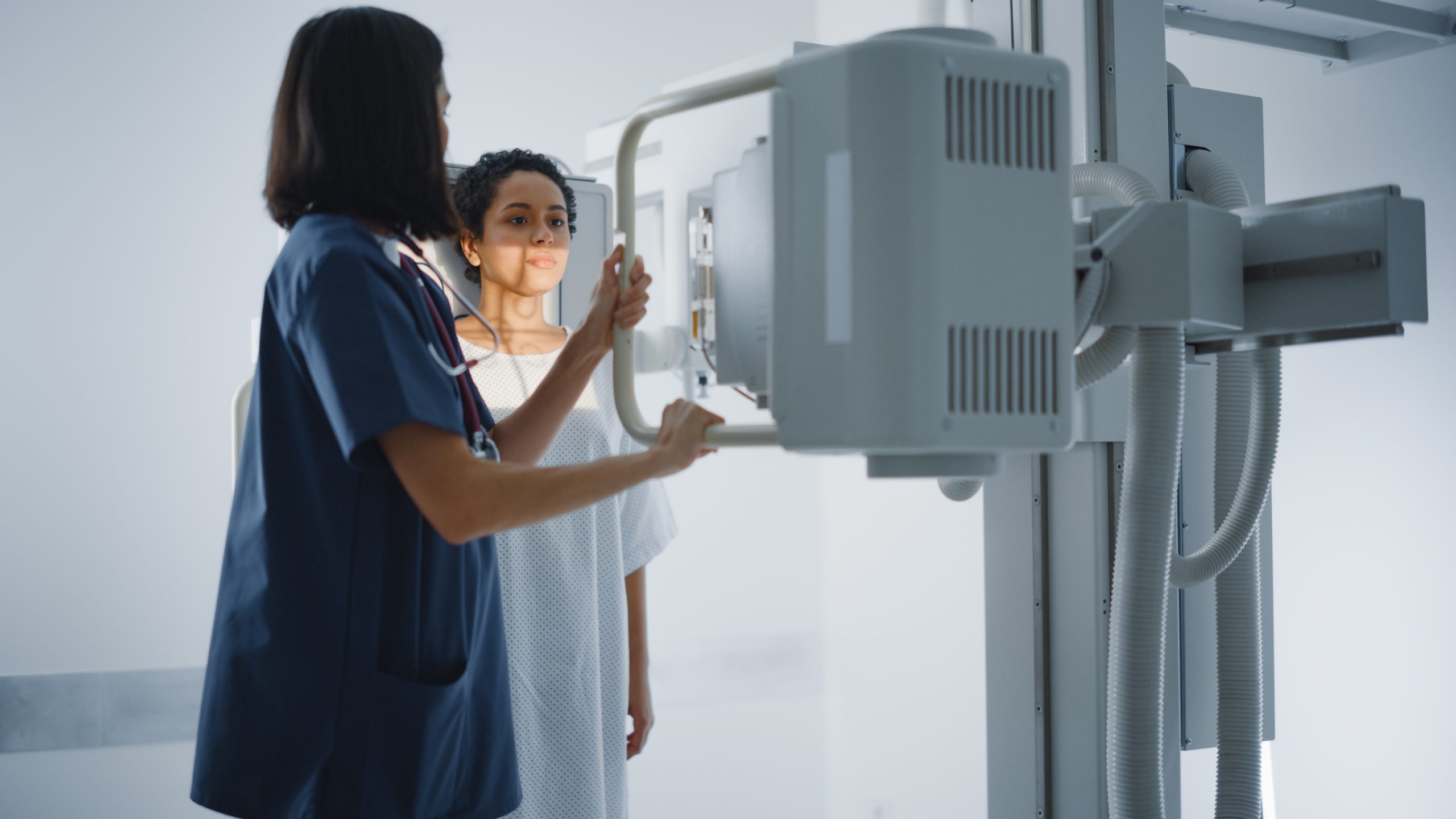
Concerning AI-generated data showing the low attendance of women at breast screenings has been published in the US.
Data suggests that 53.3 per cent of commercially insured women received their recommended screening mammogram between 2022 and 2023. This is up from 47.3 per cent in the prior two-year period, an increase of nearly 13 per cent. But almost half of women are still missing out on these critical screenings.
Cedar Gate Technologies’ predictive AI model has identified that approximately 52 per cent of women due for a mammogram in the coming year are unlikely to get it. This could leave millions of women at risk of missing an early detection opportunity.
“Our data shows that more women are getting mammograms, but there is still a concerning potential for gaps in preventive care,” said David Snow, chairman and CEO of Cedar Gate.
“Providers, payers, and employers need to understand how trends could impact their own patient and member populations to increase the rate of necessary mammograms. Early detection remains the most effective way to improve breast cancer outcomes. Our predictive model enables healthcare organizations to identify women at risk of missing these critical screenings and target their outreach to improve care.”
The analysis evaluated nearly 3.4 million women in Cedar Gate’s National Healthcare Benchmark Database, which includes anonymised data for approximately 15 million individuals.
The AI model examines multiple data points and assigns a probability score on whether the person is unlikely to get a mammogram based on U.S. Preventive Services Task Force (USPSTF) guidelines.
These guidelines recommend biennial screenings for women between the ages of 40 and 75 who are at average risk for breast cancer. Of the women analyzed, almost 1.75 million were flagged as unlikely to get a mammogram.
The average age of women with breast cancer as a primary diagnosis in Cedar Gate’s database of commercially insured members is 58 years – four years younger than the national median age of 62 for the entire population, which includes Medicare and Medicaid patients. By starting regular mammogram screenings at 40, women and their doctors may detect early signs of cancer sooner, which can lead to more treatment options and better outcomes.
According to 2024 estimates, there will be 310,720 new cases of invasive breast cancer among women in the US, excluding recurrences.
Additionally, there will be 56,500 new cases of ductal carcinoma in situ (DCIS), a non-invasive or pre-invasive form of breast cancer, and 42,250 breast cancer-related deaths. The Centers for Disease Control and Prevention (CDC) advocates for regular mammogram screenings as one of the most effective ways to catch breast cancer early.
















 Entrepreneur4 weeks ago
Three sessions that show exactly where women’s health is heading in 2026

 Fertility4 days ago
Future Fertility raises Series A financing to scale AI tools redefining fertility care worldwide

 Pregnancy4 weeks ago
How NIPT has evolved and what AI NIPT means in 2026

 News4 weeks ago
Two weeks left to make your mark in women’s cardiovascular health

 Opinion4 weeks ago
Q1 momentum: Female founders are advancing, but the system still hasn’t caught up
 Fertility2 weeks ago
Future Fertility partners with Japan’s leading IVF provider, Kato Ladies Clinic

 Menopause2 weeks ago
More research needed to understand link between brain fog and menopause, expert says

 Mental health6 days ago
Lifting weights shows mental health and cognitive benefits in older women, study finds
3 Comments