




Pregnancy
Study puts forward nearly 300 genetic disorders that can be treated during pregnancy


Researchers have identified nearly 300 genetic disorders that can be treated before or immediately after a baby is born. This “treatable foetal findings list” could improve the diagnosis of genetic conditions in pregnancy and enhance the treatment options available for foetuses who have these conditions.
Over the past decade, genomic sequencing has become a vital tool to help inform prenatal diagnoses. Genomic sequencing tests, combined with family history, can help identify genes responsible for ultrasound abnormalities.
They can also uncover incidental findings that may predispose a foetus or newborn to serious but treatable conditions, such as a heart condition that can be treated with medications or a gastrointestinal disorder that can be managed with fluid and electrolyte therapies.
The research team set out to develop a list of these treatable conditions so that patients can be offered the choice of receiving this kind of information.

Through a literature review, the authors identified a total of 296 genetic conditions, ranging from disorders with emerging foetal therapies to those where immediate postnatal treatment can prevent irreversible harm. The authors emphasise that timely detection of these conditions could reduce morbidity and mortality, offering families unprecedented opportunities for early intervention.
“We saw a critical gap in prenatal care and an opportunity to define the genetic disorders that are treatable during this time,” said senior author Nina Gold, director of Prenatal Medical Genetics at Massachusetts General Hospital, a founding member of the Mass General Brigham healthcare system.
“These conditions are actionable – meaning that, empowered with diagnostic information, we can intervene early and improve outcomes.”
“One of our goals is to expand the options that a family has during pregnancy,” said Jennifer Cohen, lead author on the study and a medical geneticist at Duke University Hospital, said.
“These lists of genes are meant to provide the possibility of early intervention, which in some cases may change the natural history of the disease.”
Despite its potential, this initiative comes with challenges. The researchers outline ethical considerations and acknowledge that patients may feel overwhelmed by the amount of information they are offered. They also highlight the importance of engaging medical geneticists, obstetricians, and ethicists to address these complexities.
“Our goal in creating this targeted list of treatable foetal findings is to improve care, but we are sensitive to the challenges for physicians, genetic counsellors, and patients when it comes to navigating new health information during pregnancy or immediately after the birth of a child. This is why it’s so important to work as a care team to empower our patients and provide them with the clearest information possible,” said Gold.


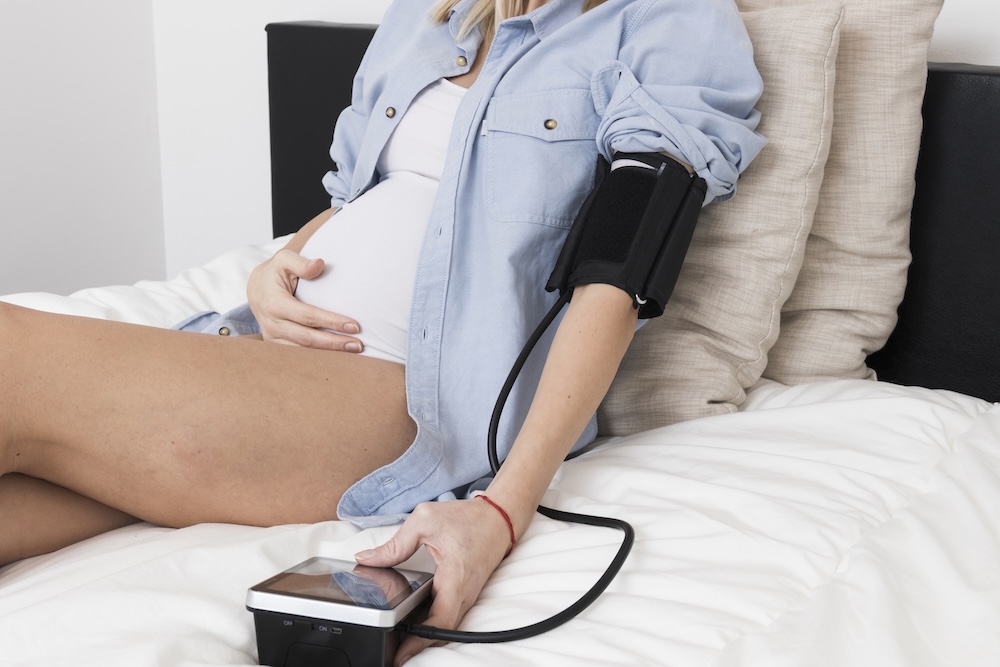

A recent study developed a new “digital companion” to support the prevention and follow-up of maternal cardiovascular risk in women with pregnancy complications.
Cardiovascular disease, or CVD, is the leading cause of premature death and illness in women, yet sex-specific causes remain understudied and women are underrepresented in research.
Pregnancy complications, including hypertensive disorders of pregnancy, or HDP, and gestational diabetes mellitus, or GDM, are strong predictors of future CVD, with pregnancy itself acting as a natural stress test.

Despite CVD accounting for 35 per cent of female deaths worldwide in 2019, systematic postpartum prevention remains limited in practice and incidence continues to rise.
Myocardial infarction, commonly known as heart attack, and stroke are the main fatal CVD events in women. Up to one-third of women develop hypertension within a decade after HDP, especially as maternal age rises.
Obstetric guidelines have historically lacked clarity on early CVD prevention after HDP and GDM, often relying on expert consensus rather than evidence.
Some cardiology guidelines now recommend personalised approaches, such as periodic hypertension and diabetes screening. Norwegian guidelines recommend cardiovascular risk evaluation at three months and one year postpartum, but adherence in practice is uncertain.
Effective risk reduction requires intervention before middle age. The immediate postpartum period following HDP or GDM is a critical window for early detection and intervention, offering an opportunity to engage women in cardiovascular health management, particularly as pregnancy can encourage long-term lifestyle awareness.
Electronic health, or eHealth, refers to the use of digital technologies and electronic communication tools to support healthcare services, medical information management and related health activities.
Systematic, eHealth-supported postpartum prevention can improve maternal health literacy and long-term cardiovascular outcomes.
However, there is a significant gap in targeted, eHealth-based postpartum interventions for cardiovascular risk management after HDP and GDM, despite strong patient demand and international calls for coordinated digital health strategies.
Home blood pressure monitoring shows promise, but broader digital support remains limited.
A cardiovascular postpartum follow-up programme was created as a mobile app based on Norwegian and international guidelines.
The MumCare app was developed through co-creation involving users, stakeholders and clinical experts. Five qualitative interviews and 10 user testing sessions informed improvements.
This study primarily analysed the iterative co-creation process used to develop the app, rather than evaluating clinical outcomes.
The MumCare project team in Oslo included an IT expert, obstetricians, a midwife, a GP, two sociologists and two cardiologists, all with relevant experience in eHealth and women’s health. A medical student with technological and medical expertise also helped turn ideas into app features for young women.
User representatives from two national patient associations contributed to information, recruitment, design and testing of the MumCare app.
Both associations provided user perspectives and took part in interviews and app testing. Additional users with HDP or GDM at Oslo University Hospital were also involved throughout the co-creation process.
The app’s digital infrastructure prioritises security and privacy, using encryption, de-identification and two-factor authentication.
User data is stored securely on the app and, for research purposes and with consent, on a dedicated University of Oslo server in line with GDPR and Norwegian regulations.
A linear Stage-Gate model structured the co-creation process, dividing it into phases with quality checkpoints reviewed in project meetings.
This approach balanced internal development with external user feedback, helping ensure the app is evidence-based, technically robust and user-centred.
The MumCare app guides postpartum women through tracking blood pressure, weight, physical activity and lab results, and provides personalised feedback to support self-management, mainly during the first postpartum year.
It also includes educational resources such as videos and guideline-based information to support understanding and engagement.
The app is also designed to support the transition from specialist pregnancy care to long-term follow-up with general practitioners.
It is described as a “digital companion” or health coach and does not replace clinical diagnosis or function as a medical device.
The co-creation process followed four phases focused on technical and procedural development.
In phase 1, input from expert organisations and user representatives established the app’s technical foundation.
It also reminds users of the one-year postpartum follow-up with their GP, a key time to assess risk factors and future care needs.
User organisation representatives gave feedback in phase 1, directly guiding content and feature development.
Phase 2 interviews confirmed that users want to monitor cardiovascular risk factors after HDP and GDM.
The analysis highlighted three themes: self-care strategies and uncertainties about hypertension, the need for accessible health information, and a more personalised approach to blood pressure monitoring in the app.
Concerns were also raised that frequent monitoring or app use could increase stress or create a sense of burden.
In phase 3, the app’s design and features were revised in response to feedback to improve usability and make sure they met users’ needs.
These changes led to a more intuitive and supportive interface for women during and after pregnancy.
Phase 4 involved building a prototype based on the updated designs, followed by further refinements after testing by the project team and users. Initial pilot testing with a small number of users suggested the app met its objectives and functioned as intended.
The MumCare app was co-created with input from experts, user organisations and patients over four phases.
Early expert and organisational contributions helped define the app’s goals, while ongoing feedback from patients helped ensure the design and content reflected users’ real needs.
This collaborative approach resulted in an app tailored to support women with pregnancy complications.
The MumCare app is currently being evaluated in a randomised controlled clinical trial that began in June 2024, with results needed to determine whether it improves long-term cardiovascular outcomes.












 News4 weeks ago
Women’s digital health market set to reach US$5.28 billion in 2026 – report

 Insight4 weeks ago
Why the UK’s fertility rate keeps falling – and what it means if you’re trying now

 Wellness3 weeks ago
Women’s HealthX unveils Northwell Health, Corewell Health, Biogen & more to headline Chronic Disease stage

 Opinion3 weeks ago
What Maternal Mental Health Month reveals about where postpartum support actually breaks down

 Hormonal health4 weeks ago
Toxins and climate harms having ‘alarming’ effect on fertility, research warns

 News2 weeks ago
NIH Grant terminations disproportionately impact minority scientists, research finds

 Events2 weeks ago
WUKA brings Period-Positive Pool Party to London Aquatics Centre to keep girls swimming through puberty

 Fertility4 weeks ago
Researcher explores weight loss jab impact on PCOS